Category: Anxiety Self-Help

  • Sleep: Nature’s Anti-Anxiety Medication

    Sleep: Nature’s Anti-Anxiety Medication

    “Sleep on it.” This is what is sometimes said when something is annoying us, or we cannot decide what to do. Just go to bed and sleep, and somehow, when you wake up, things seem a bit better. If you have ever experienced this natural phenomenon, you may remember how you think a bit more clearly in the morning. Thinking is less fogged by the stress and anxiety you had the night before.

    REM Sleep

    REM sleep (rapid eye movement sleep) is one of the four main stages of sleep (the others are known as NREM or non-REM sleep). During a full night of sleep, we will normally get a couple of hours of REM sleep. This is the stage where most of our memory consolidation and emotional processing happens. It is also the time when our narrative dreams play out the most. see references [1] and [2].

    Somehow, our brain goes through our memories and starts sorting them out. Some, throws away and we will never remember them again. Others, it dials back the emotion before restoring it – so that when we recall it again, the emotion is not as strong. This is our natural way of dealing with stress.

    Anxiety and Sleep

    There is clear scientific evidence that sleep helps the anxious mind both in REM sleep and in NREM sleep. Somehow, the brain is more able to deal with stress when a person gets sufficient sleep. See references [3] and [4]

    The problem arises when we don’t get enough sleep. Sometimes a vicious circle is created whereby anxiety prevents us from sleeping, wakes us up in the middle of the night, or gives us nightmares that wake us and make it difficult to go back to sleep. This lack of sleep, as well as being exhausting, means that our daily stresses are not dealt with properly in the brain, which makes the anxiety worse.

    Medication

    It is possible to get medication to deal with lack of sleep. Some of the prescription sleep medication acts as a sedative. Sedation is not the same as sleep, so the normal process of dealing with stress does not take place in the same way.

    If you are prescribed medication by your doctor, then please follow the doctor’s advice and take it. My advice would be to discuss with your doctor how any prescribed medication impacts your anxiety.

    Sleep Hygiene

    There are many tips on how to get to a better sleep regime available that I will not duplicate here. I would suggest looking at this website [5] to start with.

    If You Still Have Problems …

    I help people with stress and anxiety and people with sleeping difficulties, using hypnotherapy to help them regain control of their lives. I work out of my clinic in Fleet, Hampshire as well as online. I would be happy if you want to Contact Me.

    References

    [1] REM Sleep as a source of memory consolidation and emotional regulation
    https://www.sleepfoundation.org/stages-of-sleep/rem-sleep

    [2] There is some evidence to suggest memory consolidation occurs during NREM sleep.
    https://www.sciencedirect.com/science/article/abs/pii/S0959438817300107

    [3] REM sleep as a helps with anxiety
    https://pmc.ncbi.nlm.nih.gov/articles/PMC2847051/

    [4] Deep sleep may help treat anxiety
    https://www.medicalnewstoday.com/articles/326926

    [5] Sleep hygiene
    https://www.nhs.uk/every-mind-matters/mental-wellbeing-tips/how-to-fall-asleep-faster-and-sleep-better/


    Photo courtesy of Polina Kovaleva on Pexels

  • Can You Play the Guitar While You Are Overwhelmed?

    Can You Play the Guitar While You Are Overwhelmed?

    “Overwhelmed” is a word that I often hear in my clinic. “My anxiety is overwhelming.” “My mind is overwhelmed with thoughts of what might go wrong.” “I have so many things that need sorting that my brain feels overwhelmed with worry.”

    People who are overwhelmed with anxiety sometimes tell me that they have stopped doing the things they enjoy – like playing the guitar. Anxiety and being overwhelmed seem to go hand in hand.

    Why is Anxiety Overwhelming?

    The primitive part of our brain that is there to help us survive in the wild world of our ancesters will always keep our mind focused on things that might go wrong. It doesn’t care about how we feel or whether we are leading a satisfying life – it only cares about survival. And so … it gets us to think about things that might be a danger.

    In a world where there is hardly any life-threatening danger, this primitive part of the brain latches on to smaller things that might go wrong – being late for work, worry that other people may be thinking bad things about you, concern that you may have missed out on the latest social media posting and so on.

    Why do we Stop Playing the Guitar?

    If someone is particularly stressed, they will be reminded again and again about what could go wrong – so much that it becomes overwhelming. It also works the other way round – if someone has a lot going on in their lives and they are constantly thinking about it, then it can result in anxiety.

    When someone is overwhelmed, they may stop doing the things that they enjoy. Whether it’s to stop playing the guitar, stop reading or stop going for a walk – it all comes about because that primitive part of the brain keeps telling us to get on with the things that need doing, or it makes us anxious about the problems in life.

    How Can Playing a Guitar Help With Being Overwhelmed?

    Ironically, even though that primitive part of the brain is trying to stop us playing the guitar when we are overwhelmed, it is playing the guitar that will help calm the overwhelmed feeling down.

    When we have a pastime that absorbs our minds completely, that primitive part of the brain that is the source of all the problems calms down a bit. When you are so focused on getting the right chords, or have totally absorbed yourself in watching a film, or you are determined to complete the last set of bench presses in the gym – that is the time when you deliberately focus your attention on what is happening in the moment.

    The anxiety that results from being overwhelmed – or indeed, the overwhelm that results from anxiety – is looking at the dangers that might happen in the future, or regretting the problems that have already gone. So finding an activity that focuses on the here-and-now forces your mind away from the overwhelming anxiety.

    I am not saying that it is easy to switch off from your problems and focus on the here-and-now. It takes practice, but so does playing the guitar. So start just for a few minutes – or even a few seconds – and then build it up gradually.

    And Finally …

    Here, I offer advice for people who are overwhelmed with anxiety, but if you cannot manage to get it under control by yourself, you might consider getting some help. Every week, I see clients who have difficulties with their stress and anxiety. Using hypnotherapy I help them get back on their feet again. I work out of my clinic in Fleet, Hampshire and also work online. I would be pleased to have a chat – so Contact Me when you are ready to do so.


    Picture courtesy of the Mental Health Foundation / Steve Somerset

  • Take Control of Your Life with the Three P’s

    Take Control of Your Life with the Three P’s

    There are times in everyone’s life when they seem to loose control. Stress levels hit the roof and they loose a sense of being in control of what is going on. Maybe it is anxiety … maybe it is depression … or maybe there is a simmering anger sitting just beneath the service. It is time to do something about it.

    When you decide it’s time to regain control of your life – you have a number of choices. A lot of people will go to their doctor and get medication. Some will find a therapist to help (I see people every week who have taken this route). And some will look to do something about it themselves.

    The Three P’s

    If you want to do something about it yourself, one of the best ways to normalise your brain is to adopt the 3 P’s into life. You don’t have to have lost control of your life before you start doing this. In fact, you would be far better off adopting the three P’s just to avoid getting into that state in the first place.

    P1 Positive Thinking

    When everything seems to be going wrong in your life, it becomes very easy to focus on the negative. We notice everything that seems to be conspiring against us. Our brains automatically bring our attention to things that are not working for us.

    It takes effort, but if you can deliberately identify the positive things that are happening to you, no matter how small, you can start to regain control of your thinking. Notice even the little things – a nice cup of coffee, a greeting from the person checking out your groceries at the supermarket, or the warmth of the bed as it gradually warms up when you snuggle down under the duvet.

    P2 Positive Action

    It is easy, particularly when you are feeling down, to resort to doing something mindless, like slumping in front of the TV, or endlessly scrolling through your phone. These are little distractions that block out all the negative things that are going on in our minds.

    Instead, make the effort to do something positive. It does not have to be much. Maybe get up and make a cup of tea, go for a walk, or do that household job that you have been putting off for so long. Just go and do it. Taking positive action and doing something that will make your life a bit easier gets your subconscious to realise that it can do something about the situation you are in.

    P3 Positive Interaction

    How often have you avoided talking to other people, just because it’s too much effort. When we are feeling low, our automatic reaction is to avoid other people – or seek out other people to tell them all about our problems.

    It is that positive interaction with others that helps you get back in control. So have a chat with a neighbour when you bump into them on your street, talk with the people around you at work, or go out with friends. Talk to other people about what is good in your life.

    Putting It All Together

    When you have this positive interaction with others, do things that positively affect your life and think positively – when the three P’s are all in play – the chemical balance in your brain will undergo changes. These changes tend to lead to a sense of more control in your life, and your life becomes happier.

    And Finally …

    For some, this is all too hard or takes to long and they want a quicker solution. Hypnotherapy is just one of several therapies known to help. I work as a hypnotherapist in Fleet, Hampshire and would be pleased if you Contact Me – but only when you are really ready to do so!


    Picture Courtesy of Claire Harvey

  • Why Can’t I Relax? A Hypnotherapist’s View

    Why Can’t I Relax? A Hypnotherapist’s View

    For many years now, I have taken people into a nice relaxed state in my hypnotherapist’s chair. People who suffer from anxiety, worry, depression … people who lack confidence or have been overwhelmed by their own particular situation. They all find they are able to lie back and completely relax in a nice hypnotic trance.

    So why can’t they do it at home, at work or in their everyday lives?

    What is Relaxation?

    We all have things that are going on in our lives. We think about what we’ve done and about what we are going to do. Just thinking about everything that you have to do today will get your brain starting to plan – what to do first, what you will need to do it, how long it might take and so on.

    Already, your brain is active and it will start to prepare your body for whatever it is you are thinking about. Your muscles start to tense, quite unconsciously, as your subconscious anticipates what you are going to do.

    So when you think about what you are going to do, or worry about what might happen at some point in the future, you are not relaxed.

    Likewise, if you ruminate about the past – thinking about all those things that went wrong, or at least not as you had hoped, your subconscious will start to tense up your muscles again, in anticipation that it might happen again.

    It is only when your mind is free from worry, free from regret, free from every little concern that you can truly relax. It’s at times when you are not thinking about the problems you might have in the future, or the problems you have had in the past that you can let your mind be free.

    Simply enjoying the moment, whether it’s getting absorbed in a book, walking in the woods, having a laugh with friends, free from everything except what is right in front of you right now – that is relaxation.

    Why Can’t I Be Relaxed All the Time?

    If you were totally relaxed all the time, you would be unlikely to achieve anything or learn anything.

    You have to think about problems you have had in the past, in order to learn from them. Once you have learnt from them, there is no need to think about them any more.

    You have to think about what you are going to be doing, and anticipate problems, otherwise you would not be able to plan to overcome them.

    There is a time to work and a time to relax. The trick is to get the right balance between them.

    How Can I Relax?

    Learning to relax takes time if you are not used to it. Set aside some time to relax each day. If you are not used to it, you may find all sorts of thoughts popping into your head. When this happens, just note them down so you can deal with them at an appropriate time and get back to your relaxation.

    Find something to do that you enjoy, and spend the time focusing your mind on the enjoyment of the activity – whether it is lying down on the sofa, going down the gym or enjoying a cup of coffee. Focus your attention on what you are doing in the here-and-now.

    And Finally …

    I help people who are overwhelmed with life. I use hypnotherapy to help them learn to relax and get their lives back in control again. I work at my clinic in Fleet, Hampshire and also online. If you want to talk about something, you can Contact Me for a chat.


    Photo courtesy of Mental Health Foundation / Niccii Kearns

  • Maintenance of Our Minds for Keeping Anxiety at Bay

    Maintenance of Our Minds for Keeping Anxiety at Bay

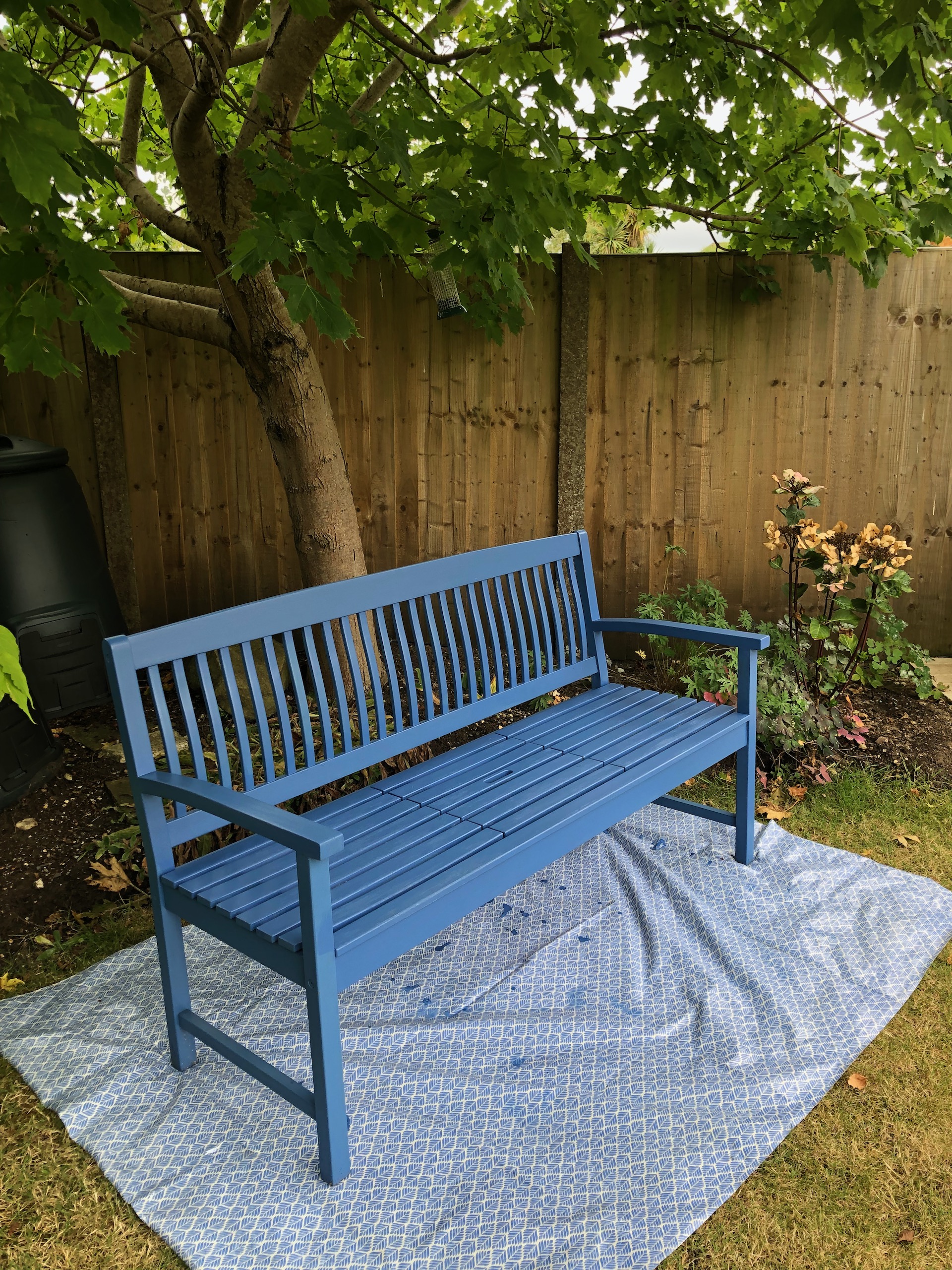
    Yesterday, I painted the bench we have in the garden. We have had the bench for many years, and every couple of years I sand it down and repaint the parts that have got a bit worn. While I was painting, it occurred to me that repainting the bench is a metaphor for looking after our own minds – the bench becomes worn after a while and needs repair, just as our minds develop too much stress and need repair.

    The bench needs attention every couple of years, but our minds need a bit of maintenance more regularly than that. And sleep is a major part of the maintenance regime.

    When we sleep, we go through different stages:

    • NREM Sleep – where our body performs routine maintenance
    • REM Sleep – where our brain performs routine maintenance

    Of course, this is a gross simplification – we don’t know the half of what sleep does for us, but what we do know fall roughly into those two categories.

    During REM sleep our eyes move rapidly around – REM stands for Rapid Eye Movement – and it is in this phase that the brain consolidates our memories. If moves memories around, deleting some of them, or maybe just taking a bit of the emotion out of them. It is a time when the stresses that we have built up can be resolved.

    A build up of unresolved stress can lead to anxiety developing, so sleep is a very important part of our mind’s maintenance programme. However, if there is too much stress in the first place, we don’t get enough time when we sleep to process it all, so it builds up. And a build-up of unresolved stress can lead to anxiety.

    Unfortunately, anxiety can wake us up – this is our subconscious reminding us that we need to do something to sort it all our, so we wake up worrying or ruminating about things. This disrupts our maintenance and so we just add to the stress even more.

    So if you find yourself waking up in the middle of the night ruminating, get up and write down your thoughts. Simply writing your thoughts down seems to have the effect of allowing you to go back to sleep again. Try it – you never know how well it will work for you until you have a go.

    And Finally …

    If you have a problem with sleep or with anxiety in general, you should do something about it. If you need help, you are welcome to Contact Me. I help people with anxiety using hypnotherapy to allow them to get back to normal again.

  • Busy or Simply Overwhelmed? Find Time to Allow Your Mind Some Downtime

    Busy or Simply Overwhelmed? Find Time to Allow Your Mind Some Downtime

    These last few weeks have been a busy time for me. I get up in the morning and think of the things I need to do, and then realise that I didn’t do everything that I meant to do yesterday. Each morning, as I start to plan the day, I feel that there is a level of stress and tension in my body. As a professional who works in the area of stress and anxiety, I know that this stress is necessary in order to keep me motivated to get things done, but if I allow it to run free, it will lead to anxiety.

    A bit of stress gets you to focus on the tasks you need to do. If there is too much stress, the overwhelming feeling prevents you from focusing on the tasks as you mind is distracted by being overwhelmed. The trick is to get the balance right.

    Another problem with having too much to do is that you don’t spend time looking after yourself. You need to spend some time each day in self-care – you need to have some sort of mental health hygiene built into your daily routine. Everyone (well, almost everyone) manages to clean their teeth each day as part of their dental health hygiene regime – a sensible person will not skip cleaning their teeth just because they are busy. So what is your mental health hygiene regime?

    For me, I sit down each morning with a cup of tea and read a page or two from something that inspires me. I have trained myself over the years to focus entirely on what I am reading, and to put aside any other thoughts during this time. I spend a few minutes in quiet contemplation of what I have read. This is only interrupted as my thoughts turn to the warmth of the cup in my hands as I take another sip of tea.

    These few minutes of quietness and contemplation are what I need to start the day with a clear head. Other people take on different practices to allow their head to be clear – going for a walk, doing craftwork or art, lifting weights in the gym, meditation, listening to music … anything really – so long as it clears the mind of all the stuff that is usually there, even if it’s just for a few minutes.

    Our minds need time to rest from what they usually think about. This is particularly needed if you suffer from anxiety. Anxiety tends to absorb your mind and produce negative feelings. Giving it a break from all that – even if it’s just for a few minutes – will to you the world of good.

    So find something that you enjoy. You may not be able to dissociate from negative thoughts and feelings immediately, but the mind is like a muscle – you need to exercise it in the right way in order for it to develop.

    And Finally …

    If you have difficulty with your stress and anxiety, if you feel you cannot manage to control it by yourself, then you may like to seek professional help. I help people with anxiety by using hypnotherapy to allow them to regain control of their mind and return to normal. If you want to ask questions about it, Contact Me and I will be happy to have a chat.


    Photo courtesy of Mental Health Foundation / Peter Cooper