Category: Anxiety Self-Help

  • Goodbye Anxiety: Focusing on the Good Can Supercharge Hypnotherapy

    Goodbye Anxiety: Focusing on the Good Can Supercharge Hypnotherapy

    I often start my hypnotherapy session with a simple question: “What’s been good?” It seems a strange question to ask of a client who has come to me with a life full of anxiety.

    My clients think they have come to talk about their problems, and they find me asking, “What’s good in your life?” Strange though it may seem, talking about the positive really boosts the power of hypnotherapy in sorting out the problems they have with anxiety.

    Breaking the Downward Spiral

    Anxiety can get into a downward spiral. The purpose of anxiety is to get you to focus on the problem in order to sort it out. But thinking about the problem often only makes the matter worse. Anxiety is a bit of a hangover from the time when our ancestors lived in a dangerous world.

    Focusing on problems and the bad things that happen to us all simple adds to the anxiety. The increased anxiety makes us focus on all the bad stuff all over again … and so on into a downward spiral.

    Why Appreciation Matters

    Appreciation isn’t about pretending everything is perfect. It’s about acknowledging the good, the positive aspects of life, even in the midst of difficulty. It’s like shining a spotlight on the tiny green shoots pushing through the bare soil, celebrating the small victories and pockets of joy that exist alongside the challenges.

    Appreciation does more than just make you feel good. It has a profound impact on our minds and bodies. Studies have shown that practicing gratitude can:

    • Reduce stress and anxiety
    • Boost the immune system
    • Improve sleep quality
    • Increase feelings of happiness and well-being
    • Enhance self-esteem and confidence

    Appreciation in Hypnotherapy

    Having a few moments of being positive provides a real boost to hypnotherapy. When you learn to appreciate the good things in life – no matter how small – your subconscious mind relaxes, just a little bit, and allows change to take place. So that when you go into a light hypnotic trance the subconscious is far better able to deal with the backlog of stress and anxiety that has built up.

    Appreciation does not only help boost the power of hypnotherapy. It can be used to decrease the impact of anxiety in your life, even if you don’t have any type of therapy.

    How to Cultivate Appreciation

    Appreciation is a skill that needs practice. You may like to try some of these:

    • Keep a gratitude journal: Take a few minutes each day to write down things you’re grateful for, big or small.
    • Practice mindfulness: Pay attention to the present moment and notice the good things that happen around you, even if they seem insignificant.
    • Express gratitude to others: Let the people in your life know how much you appreciate them.
    • Celebrate your successes: Take time to acknowledge and celebrate your accomplishments, no matter how small.
    • Focus on the positive: When you find yourself dwelling on negative thoughts, make a conscious effort to shift your focus to the good things in your life.

    By incorporating these practices into your daily life, you’ll cultivate a more positive mindset and create a foundation for lasting change. Remember, it’s not about ignoring the challenges you face, but rather about acknowledging them while also shining a light on the strengths, resources, and positive aspects that already exist within you.

    Appreciation is a powerful tool, and when used in conjunction with hypnotherapy, it can help you unlock your full potential.

    And Finally

    Not everyone can manage their own anxiety without help. If feel you need some assistance, I help people overcome their anxieties using hypnotherapy. I work from my clinic in Fleet, Hampshire as well as online. Give me a call or drop me a message.

    Yours appreciatively
    Tim


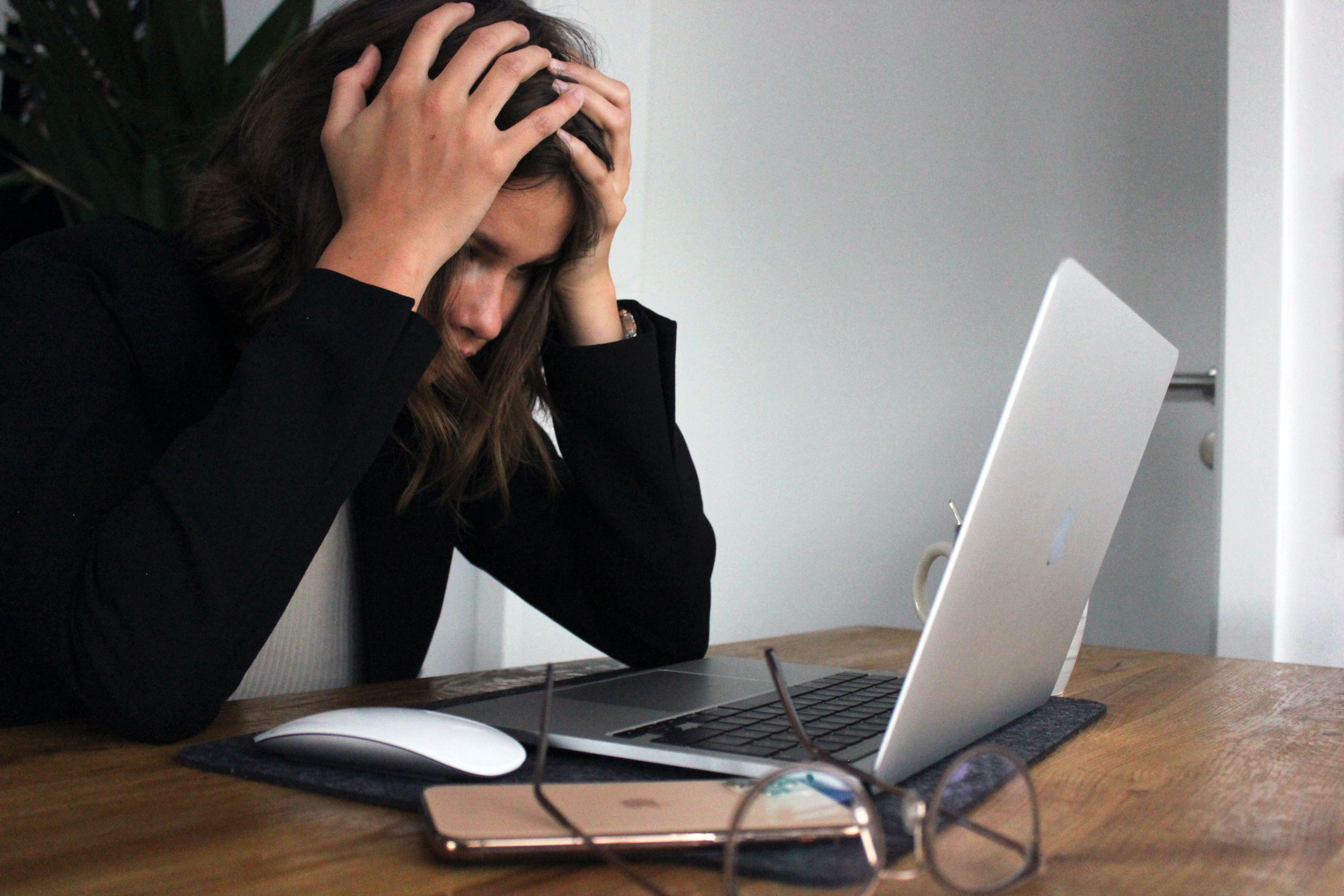
    Photo courtesy of JoEllen Moths on Pexels

  • Loosing Control Can Make Anxiety Go Through The Roof

    Loosing Control Can Make Anxiety Go Through The Roof

    Loosing control of things that happen in your life is one of the worst ways to create anxiety.

    • Maybe there are a whole load of bills that have just come in, and you have no idea how you can possibly pay them all – you feel the anxiety growing.
    • Maybe there is a big reorganisation happening at work, and you don’t know where you will end up, or even if you’ll have a job at the end of the month – anxiety increases again.
    • Or maybe you need to see a doctor urgently and you cannot find a way through to get an appointment – and the anxiety goes through the roof.

    These are things that are out of your control. Bad stuff happens to us in our lives and sometimes we cannot control it – it just happens. When things get out of control, the primitive part of our brain starts to generate anxiety. Anxiety hits us in the gut over and over again because the problem just doesn’t sort itself out on its own.

    The problem gets worse because when anxiety strikes, it is very difficult to think straight. The anxiety floods your thinking process so it is extremely difficult to put any serious thought into starting to solve the problems that have just hit you.

    And when friends or family say, “Just calm down a bit.” It doesn’t help! Unless you have trained yourself to calm down, you cannot just calm down on command!

    So what do you do? …

    To operate properly, your brain needs to have some sense of control. You need to find something that you can control.

    You don’t have to solve the problem all at once – but just find one thing that you can get control of. It doesn’t even have to be something to do with the problems that are throwing themselves at you. It might be as simple as taking control of your breathing and slowing it down.

    Once your have control over something, the primitive part of your brain that generates all that anxiety will start to relax – even just a bit. So look for what you can do.

    You could do something related to your problems – like phoning the bank and telling them you are have difficulty paying the bills. You could also do something not related to your problems – like tidying up the socks in your sock draw. I know this sounds a bit silly – tidying socks will not sort out your financial problems – but it will help get your brain to calm down a little bit – because you are regaining control. And maybe that little bit of calm will allow you to start sorting out the real problem.

    So to get your anxiety to calm down, find something that you can control and do it – straight away.

    If you need help is getting your anxiety under control, remember that I help people who are only just coping with anxiety and stress. I use hypnotherapy to help people get back in control of their lives. I work in Fleet, Hampshire and can also help people online over Zoom. I would be happy to hear from you.


    Photo by Elisa Ventur on Unsplash

  • Exercise – good for the body – good for the mind

    Exercise – good for the body – good for the mind

    Exercise and Mental Health

    We are all being encouraged to do more exercise as part of a regime to combat those physical issues such as obesity, diabetes and arthritis. Exercise is good for the body, keeping it operating better for longer. What is less well known is that exercise is a top-rated technique to combat anxiety.

    A review of studies on the impact of exercise on various common mental complaints concluded that :

    “Physical activity is highly beneficial for improving symptoms of depression, anxiety and distress across a wide range of adult populations, including the general population, people with diagnosed mental health disorders and people with chronic disease. Physical activity should be a mainstay approach in the management of depression, anxiety and psychological distress.”

    British Journal of Sports Medicine

    Neuroscience of Exercise

    Our brains are changing all the time – this is down to something called neuroplasticity – that is, the ability the brain has to rewire itself when as it experiences something new. Neuroplasticity is important for those suffering from anxiety. If someone is constantly anxious, they need to change something in the brain in order to become calmer – the brain needs to change, it needs neuroplasticity.

    And it turns out that exercise increases neuroplasticity.

    An increased heart rate increases the availability of various neurotransmitters which will combat anxiety, including serotonin, gamma aminobutyric acid (GABA), brain-derived neurotrophic factor (BDNF), and endocannabinoids. Neurotransmitters are chemicals in the brain that allow the neurons to communicate with each other and greatly impact our mood.

    So, guess what … it turns out that exercise is a natural way of changing the brain’s chemistry without the use of medication.

    What Type of Exercise Should I Do?

    Any sort of exercise is going to help. There are various studies looking at everything from high-intensity exercise to going for a few minutes walk. Everyone will have their own view on this. You have to find what works for you. A few important things to note are:

    • Exercise should be part of your mental health hygiene regime. You clean your teeth each day for your dental health hygiene, and you should exercise every day as part of your mental health hygiene.
    • You need to do something that you enjoy. If you start trying to do something that you find tedious, you’ll never keep it up.
    • You need to find something that fits into your normal daily routine. If you lead a busy life, maybe you can only find 10 minutes to walk round the block, or park the car a couple of blocks away from where you work.
    • Yes, I know there are some people with physical difficulties who would love to do more exercise, but cannot. Just do what you can, however small.
    • Don’t expect an instant change to your mood. These things can take time. So once you start, keep it up.
    • Start with something … anything that gets your body moving a little more than it does now. If you find that you have started something you don’t enjoy, you can always change it later. The important thing is to start.

    And Finally …

    Physical exercise is one of the most effective ways of tackling anxiety. If you still need help getting your anxiety under control, you can always contact me at my clinic in Fleet, Hampshire, or online. I use hypnotherapy to help people get their lives back under control and to reduce or eliminate the symptoms of anxiety.

    References

    Neuroplasticity
    https://thebestbrainpossible.com/6-basic-principles-of-neuroplasticity/

    Impact of Exercise on Anxiety
    Effectiveness of physical activity interventions for improving depression, anxiety and distress
    British Journal of Sports Medicine
    https://bjsm.bmj.com/content/57/18/1203

    Exercise and Neuroplasticity
    Beneficial effects of physical exercise on neuroplasticity and cognition
    Neuroscience and Behavioural Reviews
    https://pubmed.ncbi.nlm.nih.gov/23623982/

    Exercise as a Treatment for Anxiety
    Can exercise help treat anxiety?
    Harvard Medical School
    https://www.health.harvard.edu/blog/can-exercise-help-treat-anxiety-2019102418096


    Photo by Jeffrey Grospe on Unsplash