Author: Tim

  • Morning Dread – Morning Anxiety

    Morning Dread – Morning Anxiety

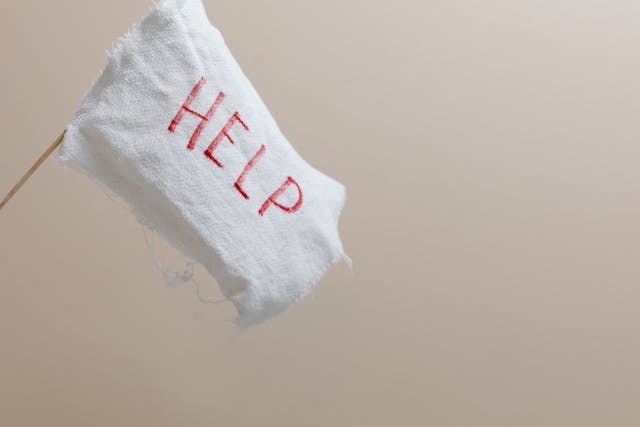
    You wake up in the morning and feel a sense of dread – for no particular reason. If only you could step outside of yourself, even for a few moments, to analyse what is going on.

    Is it a fear of something that might happen that day? (… but it’s just a normal day.) Is it worry about something you messed up yesterday? (… but you didn’t mess anything up yesterday.) Is there something overwhelming that you have to achieve today? (… but, like I said, it’s just a normal day.)

    That sense of dread first thing in the morning (or at any time of day) that does not seem to relate to anything – that is a symptom of high levels of anxiety. A doctor might diagnose it as “Generalised Anxiety Disorder” (GAD). But giving it a diagnostic name might help you identify what it is, but it doesn’t take away the awful feeling that you are left with.

    Why We Get Anxiety Over Nothing In Particular

    When there is a build-up of stress, worry, regret, justified anger and so on, the subconscious recognises that something is wrong. The “stress bucket” becomes full. The subconscious does not know what is wrong, it just senses there is something wrong.

    So our subconscious starts to make us anxious. Why? Because anxiety makes us look out for things that might go wrong. When wake in the morning, our subconscious immediately makes us anxious so that we start looking out for the threats to our lives. Of course, there are no threats to our lives, but because of all the overload of stress, the depths of our brain reacts as if there is … just in case.

    The anxiety, of course, simply adds to the stress and makes the situation worse. We can get stuck in a seemingly never-ending life of waking up each morning feeling the anxiety that invades our minds and bodies.

    What To Do About Morning Anxiety

    As with any form of anxiety, there are (in broad terms) three general routes to follow. You can try one or more of these to help:

    1. Medication – go to your doctor, explain the symptoms and ask for medication to help.
    2. Self-help – look up “self care for anxiety” on Google and find a plethora of advice (see, for example, the advice from MIND listed below).
    3. Therapy – find a hypnotherapist, CBT specialist, counsellor or some other type of therapist who specialise in anxiety.

    Hypnotherapy for Anxiety

    I specialise in helping people who are only just coping with stress and anxiety. I use hypnotherapy to help that get back to their normal selves again. I would be happy to have a chat if you would like to Contact Me. I work out of my clinic in Fleet, Hampshire and also online.

    There are other hypnotherapists out there – and if you choose someone else, make sure they are properly qualified, follow good ethical practices and are fully insured. Check them out on the National Council for Hypnotherapy website or the Association for Solution Focused Hypnotherapy website.

    References

    MIND advice on self-care for anxiety

    https://www.mind.org.uk/information-support/types-of-mental-health-problems/anxiety-and-panic-attacks/self-care/

    Generalised Anxiety Disorder

    https://www.nhs.uk/mental-health/conditions/generalised-anxiety-disorder-gad/

    National Council for Hypnotherapy

    https://www.hypnotherapists.org.uk/

    Association for Solution Focused Hypnotherapy

    https://www.afsfh.com/


    Photo by Andrea Piacquadio on Pexels

  • Breaking Up is Hard To Do … and Also Anxiety-Inducing

    Breaking Up is Hard To Do … and Also Anxiety-Inducing

    Breaking up a relationship can be very stressful and can lead to anxiety. This is particularly true when your ex-partner was at fault, as it feels so unfair that they caused the break-up and now you are suffering because of what they did.

    The sudden changes in life that a breakup can create are stressful enough, but a toxic breakup can seem more than one can bear.

    • If your ex left you for someone else, you can feel rejected and it is a massive punch-in-the-guts to know that they chose someone else over you.
    • If your ex was gaslighting you, you might feel that you don’t really understand what actually happened
    • If your partner cheated on you and then asked to come back, you will probably sense alarm bells going off every time they even glance at anyone else.
    • If your ex is not being reasonable over the divorce settlement / separation agreement, you are likely to have a lot of anxiety not knowing how it will resolve itself.
    • If you and your ex have children, you are likely to be worried about how the breakup will effect them.

    The problem is that you are no longer entirely in control of the situation. Your partner or ex-partner controls part of the break-up and probably has a different idea of what they want out of it.

    It is a very hard situation to be in, but you should remember that you can only control what you can control. You will not get an ideal result in the end, and you will have to live with that. So look to what you can do with the situation you are in and (as far as you are able) put the past behind you. It’s time to create a new beginning.

    I see a lot of people suffering from anxiety after going through a messy breakup. I cannot patch up the relationship, but I can help people cope with the situation and move forward.

    If you are struggling getting through a rough time in your relationship and you cannot cope with it all on your own, you may like to consider hypnotherapy. I work out of my clinic in Fleet, Hampshire and would be happy to have a chat and let you know what I can do to help. You can Contact Me whenever you are ready to do so, and then take your time to decide whether you want to see me for hypnotherapy, cope on your own, or try something else.


    Photo by RDNE Stock Project on Pexels

  • The News-Anxiety Dilemma

    The News-Anxiety Dilemma

    The world is a scary place, and it can seem even scarier when you watch the news or read a newspaper. News can increase anxiety levels.

    Some of the people I see in my hypnotherapy clinic have simply stopped watching the News. They have realised that it just adds to their stress and so they have stopped. Others seem to watch the news several times a day, and it makes them very anxious.

    Anxiety often occurs when there is something we are aware of that might go wrong, but is out of our control, like waiting for the results of a job interview, wondering whether you are going to be sick during the Covid lockdowns, or staying up late waiting for your teenager to come home when they’ve gone out on their own for the first time.

    The News is a bit like that – something bad might happen that effects you and your family, and it is out of your control. The News can make you anxious.

    But many of us like to be informed about what is going on in the world. We like to keep in touch with the News – local, national and international. And of course, there is nothing wrong with doing that, provided we can control any additional stress that we might experience.

    It’s all about getting the right balance. Do you ignore the News, just read the headlines, or read everything in detail? It all depends on what you want, and how much it effects you.

    I see people in my hypnotherapy clinic every week who are struggling to cope with anxiety and stress. I help them get back in control of their lives. If you are interested in finding out what hypnotherapy can do for you, check out my website and Contact Me. I will be very happy to have a chat with you.


    Photo by Bhavesh Jain on Pexels

  • Social Anxiety Ruins Lives

    Social Anxiety Ruins Lives

    Social anxiety can ruin lives … Daisy walks down the street worrying about what the other people think of her. She worries that they think she is ugly. She worries that they might stop her and become angry. She worries that they look down on her. Daisy has only a few friends, and although she worries less about what they think, she still worries. Daisy doesn’t get out much.

    Now Daisy isn’t a real person, but her social anxiety is real in many people. They get anxious around others – maybe in crowds, or on the phone to strangers, or even just walking down the street. This is social anxiety – anxiety that is triggered by the presence of other people, particularly people they don’t know.

    Whether anxiety is triggered by other people or anything else, it is still anxiety. It is the primitive part of the brain starting to take over, trying to stop you doing something that might be dangerous. Of course, other people are not likely to be a threat, but that does not stop that primitive part of the brain reacting in the way it does.

    So if you have a bit of social anxiety, remember that the other people around you are not judging you. They are not going to stop you and get angry. They probably don’t even notice you as you pass them by on the street.

    If you have difficulty in getting over social anxiety on your own, you might consider hypnotherapy. I help people with all types of anxiety using hypnotherapy, helping them get back in control of their lives and feel normal again. You can Contact Me if you want a chat about how I can help.


    Photo courtesy of Keira Burton on Pexels

  • How Does Hypnotherapy Actually Work?

    How Does Hypnotherapy Actually Work?

    Working as a hypnotherapist, I help clients go into trance every working day. One of the questions I get asked is, “How does hypnotherapy actually work?”

    What is Trance?

    The first thing to examine is trance. I usually help people into trance by relaxing them (and they do get very relaxed!) and then asking them to imagine something. Once the brain and the body are very relaxed, something strange happens in the brain – the brain finds time to deal with unresolved issues. The part of the brain known as the default mode network comes into play.

    It is the same process when you daydream, or when you get engrossed in a film or a book. Maybe you are totally absorbed in a film, and you become unaware of everything that is going on around you. You loose track of time. You become totally drawn in. This is trance.

    What is Hypnosis?

    Now we understand trance, it is time to look at hypnosis. Hypnosis is simply to act of helping someone else go into trance. You can also self-hypnotise, where you deliberately go into a trance yourself. There are various techniques for doing this, the most popular one is getting the person into a comfortable position (usually lying down or sitting) and helping them to imagine something, simply by talking to them.

    What is Hypnotherapy?

    Hypnotherapy is simply the use of hypnosis to help someone change. Many of us have things about ourselves that we would be better off changing – too anxious or depressed, addicted to something, unhealthy obsessions, lack of confidence, worry about how we look, righteous anger that interferes without lives and so on. If we could simply decide to change, we would … but it is not that easy.

    Hypnotherapy is a type of therapy that allows us to change things that we don’t really like about ourselves.

    So How Does Hypnotherapy Actually Work?

    When you come to a hypnotherapy session with me, I will usually ask questions about how you want to be. In other words – you don’t like how you are now (e.g. too anxious, too much worry), so how do you want to be instead?

    The first half of the session is talking, as I ask you to explore what you want, and what it will be like when you have achieved it. Then I lead you into a hypnotic trance where you relax. It is when you are in a trance that the default mode network in the brain comes into play and starts resolving your issues. Usually, this happens in the background where you are unaware of it.

    And so, typically after 5 to 10 sessions, my clients find they have moved on considerably from where they were and can stop coming. My job is to get them to a point where they no longer need my help.

    And Finally …

    If you have issues that you would like help with, hypnotherapy is one of the options you have to help you deal with it. You can Contact Me if you want to enquire further about hypnotherapy. I will be very happy to call you and have a chat.


    Photo courtesy of Photo by Muhammad-Taha Ibrahim on Pexels

  • Am I Having a Heart Attack or a Panic Attack?

    Am I Having a Heart Attack or a Panic Attack?

    Pains in the chest, laboured breathing, racing heart, an impending sense of doom … is it a heart attack or a panic attack? Around a quarter of people reporting chest pains to a doctor are actually suffering from some sort of panic disorder. If it’s a heart attack – the sooner you are treated the better. If it’s a panic attack, you can just wait until it subsides.

    If you don’t know if it’s a panic attack or a heart attack, err on the side of caution. Get yourself checked out as quickly as possible.

    What is a Panic Attack?

    A panic attack occurs when the someone is so over-stressed that their fight-or-flight instinct steps in. It can happen to anyone, but it will normally occur in people who have a lot of anxiety in their lives or are over-stressed. The fight-or-flight instinct recognises the high levels of stress and assumes that there must be something life-threatening around.

    It’s as if a tiger has just appeared out of nowhere and is racing towards you – your brain automatically gets your body ready to run for your life. But … there is no tiger … so the fight-or-flight instinct doesn’t know what to do or where to run to.

    To get the body ready to run, the heart rate increases in order to get more oxygen to the running muscles, the breathing becomes quicker in order to increase the amount of oxygen in the blood, muscles tighten in anticipation of being clawed (thus causing pains – often in the chest), and the blood stream will be pumped full of adrenaline to help you through the extreme effort if escaping or fighting.

    What is a Heart Attack?

    The medical term for a heart attack is a myocardial infarction. It happens when blood flow to a part of the heart muscle is suddenly blocked, usually by a blood clot. This means that part of the heart does not work properly, which can cause pain in the chest. The rest of the heart tries to make up for the failure by pumping harder or creating palpitations. Breathing becomes laboured and there can be a sense of panic.

    Similarities and Differences between a Heart Attack and Panic Attack

    Both heart attacks and panic attacks may have similar symptoms (but not always) – pain or discomfort in the chest, heart racing or heart palpitations, shortness of breath, a sense of impending doom, and sometimes brain fog. This can make it very difficult to tell the difference between the two.

    The difference between them is the cause – panic attacks are caused by over-anxiety and over-stress, whereas heart attacks are caused by a blockage in one of the blood vessels supplying the heart.

    If you suffer these symptoms and don’t know what is happening – get yourself to an emergency department or see a medical professional.

    If you have a lot of panic attacks, learn how the symptoms manifest so that you can notice if ever it feels different.

    And Finally …

    If you suffer from frequent panic attacks, or even just one panic attack, or simply have a lot of stress and anxiety that you would like to bring under control, you may like to consider getting therapy.

    I help people with anxiety every week, using hypnotherapy to help them get back in control of their lives and return to normal. I work out of my clinic in Fleet, Hampshire, and also work online. So Contact Me if you would like to discuss it. I am happy to have a short discussion on the phone.

    References

    Panic Disorder and Chest Pain: Mechanisms, Morbidity, and Management
    https://pmc.ncbi.nlm.nih.gov/articles/PMC181226/

    How to tell the difference between a heart attack and panic attack
    https://www.heart.org/en/news/2022/07/13/how-to-tell-the-difference-between-a-heart-attack-and-panic-attack


    Photo by Tara Winstead on Pexels

    Photo of Tiger by Pixabay