Tag: hypnotherapy

  • Unpredictable Overwhelming Feeling: Exploring The Scourge Of Panic Attacks

    Unpredictable Overwhelming Feeling: Exploring The Scourge Of Panic Attacks

    What is a Panic Attack?

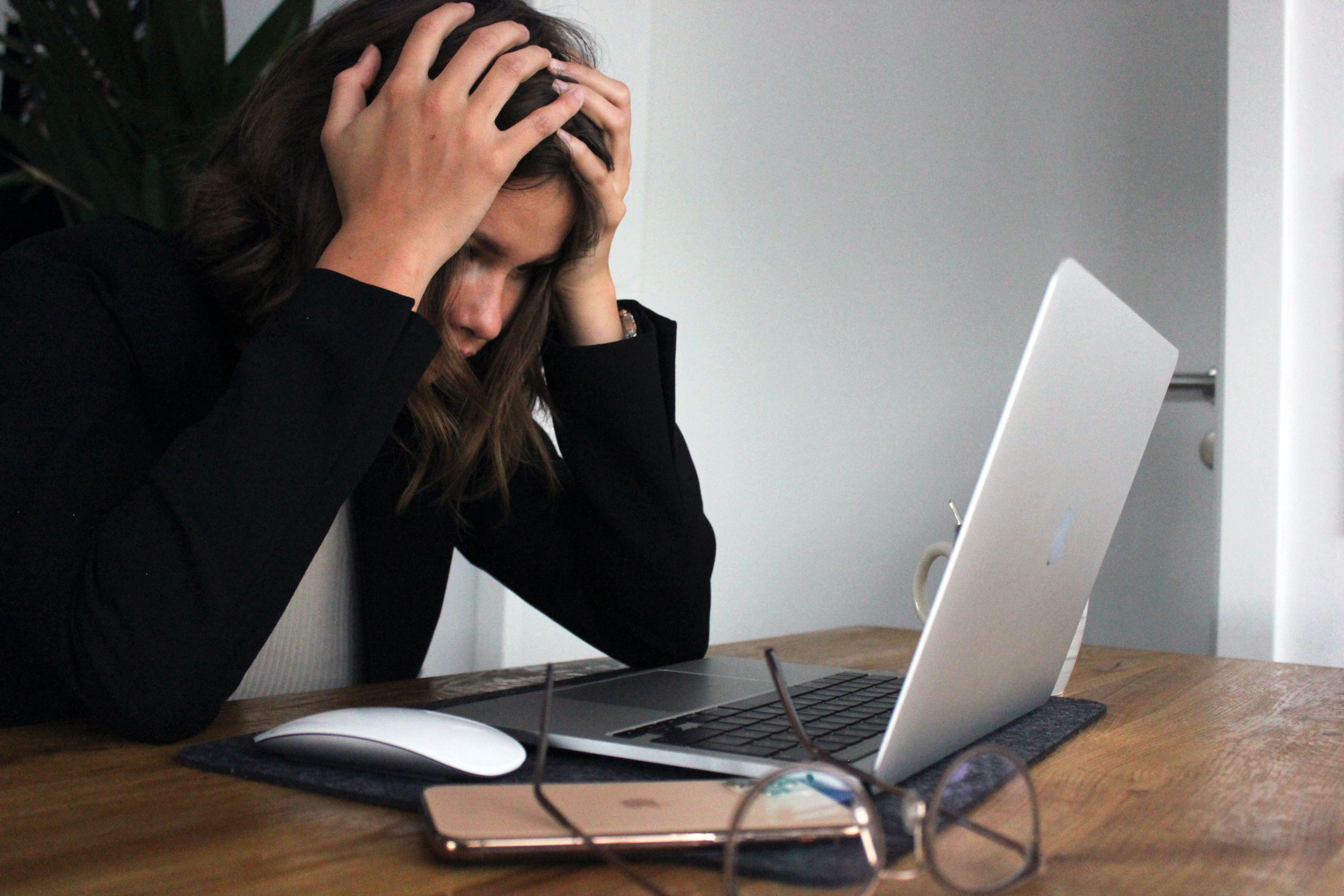
    Panic attacks are sudden surges of intense fear or anxiety that come on quickly and reach their peak within minutes. They can be incredibly frightening and debilitating, often leaving people feeling like they’re losing control or even dying.

    During a panic attack, the the brain’s fight-or-flight centre becomes hyperactive, mistaking harmless sensations as threats and triggering a massive fight-or-flight response. (Update added post publication of this article – Recent scientific research suggests that there may be another circuit in the brain, outside of the fight-or-flight centre (the Amygdala) that may be involved. The jury is still out on this one. See references.)

    What are the Symptoms of a Panic Attack?

    Symptoms of a panic attack vary from person to person, but most panic attacks are characterised by several of the following physical and mental symptoms

    Mental Symptoms
    • Overwhelming anxiety – You may feel so overwhelmed that you cannot think straight.
    • Sensation of impending doom – You may have a feeling that something terrible is going to happen, even if you can’t identify what it is.
    • Detachment from reality – You may feel that you are somehow detached from what is going on around you. You may even feel as if you are outside your own body.
    • Loss of control: You may feel like you have lost control of your mind and/or body
    Physical Symptoms
    • Racing heart or heart palpitations
    • Shortness of breath
    • Sweating
    • Chest pain
    • Lightheadedness
    • Nausea
    • Trembling muscles
    • Tingling sensation
    • Feelings of heat or cold

    It’s important to note that many people will only experience some of these symptoms, and the severity of symptoms can vary from person to person and from attack to attack.

    Is it a Heart Attack or Panic Attack?

    The symptoms of a heart attack (more properly known as a myocardial infarction) can be very similar to the symptoms of a panic attack. If you are in any doubt whatsoever – call for the emergency services – it’s better to be safe than sorry.

    Don’t worry … there are plenty of people who go to the hospital emergency department with what they think might be a heart attack, only to find that it was a panic attack. The staff there are used to it.

    If you have panic attacks quite often, you will start to understand the symptoms that you get and learn to recognise them for yourself.

    What Triggers a Panic Attack?

    Panic attacks can come out of the blue. It may not be possible to identify what triggers them. Some people may be able to spot a pattern in their panic attacks and notice what triggers them. For many, however, they just happen at apparently random times.

    Panic attacks are more likely to occur in times of extreme mental or physical stress. The pressure of having a large amount of critical things to do may trigger a panic attack. A traumatic event, or going back to the place where a traumatic event took place could be the trigger. Extreme physical effort, sudden large changes in temperature, or taking too many stimulants like caffeine or cocaine could be the cause.

    What Can I Do When I Have a Panic Attacks

    There are a number of things that you can do when you realise you are having a panic attack. If you have panic attacks quite often, you should practice these regularly when you are not having a panic attack. When you have a panic attack, your conscious thinking often gets overwhelmed and so if you have practiced these beforehand, it will be much easier to do so when the panic attack happens.

    1. Slow your breathing down – for example, breath in for the count of 4 and then out for the count of 6. When practising, keep this up for a couple of minutes so that you get used to the amount of air you need to breath in without hyperventilating.
    2. Muscle relaxation – consciously go through each major muscle group in your body one-by-one and relax it. For example, start with your shoulders, then neck, arms, hands, chest, stomach, upper and lower legs.
    3. Ground yourself – consciously look around you and notice things that you can see around you, naming them one by one. Then listen to the things you can hear and name them. Then notice the things you can feel (the floor on the soles of your feet, the temperature of the air around you etc.).

    How Do I Avoid Getting Panic Attacks in the First Place?

    Panic attacks are a form of anxiety, which is often associated with a lot of unresolved stress. Once you deal with the underlying causes of anxiety and stress, the panic attacks will resolve themselves. You don’t need to deal with the panic attacks as a specific problem as they will gradually diminish and disappear completely once the underlying anxiety and stress is under control.

    If you know what triggers the panic attack, you can, of course, attempt to avoid the triggers – but this does not tackle the underlying stress and anxiety.

    There are three basic approaches for dealing with anxiety and stress:

    1. Mental health hygiene – changing your lifestyle to include more mental health hygiene activities such as getting enough sleep, doing at least a little exercise, eating healthily, avoiding taking on too much, having positive interactions with other people and the like.
    2. Medication – medication for panic attacks is usually prescribed in the form of either antidepressants (which, as well as helping with depression, help with anxiety), beta blockers (which block the release of stress hormones adrenaline and noradrenaline), or sedatives (which slow down the activity of the brain).
    3. Therapy – there are various forms of therapy – hypnotherapy and cognitive behavioural therapy (CBT) are two of the most common and can be highly effective at treating anxiety.

    How Do I Get Help From You?

    Call me or send me a message if you want hypnotherapy to help with panic attacks. I help all sorts of people with anxiety and stress-related issues, using hypnotherapy to help them regain control of their lives and get back onto the right path. My clinic is in Fleet, Hampshire and I also work online.

    References

    https://economictimes.indiatimes.com/news/international/us/end-of-panic-attacks-a-new-brain-discovery-may-find-a-solution-know-in-detail/articleshow/106580221.cms


    Photo by Skylar Kang on Pexels

  • Escape the Worry Whirlpool: How to Break the Anxiety Trap and Find Your Calm

    Escape the Worry Whirlpool: How to Break the Anxiety Trap and Find Your Calm

    Do you ever feel like you’re stuck in a worry whirlpool, swirling down a drain of “what ifs” and negative thoughts? Anxiety, that persistent hum of unease, can trap us in this mental maelstrom, stealing our peace and joy.

    But fear not, fellow navigators of the emotional seas! You don’t have to stay adrift. Here’s how to break free from the anxiety trap and find your calm centre:

    1. Acknowledge the Whirlpool: The first step is awareness. Notice your anxious thoughts and worries without judgment. Are they circling around past events, future uncertainties, or imagined scenarios? Once you acknowledge them, you can start to challenge their power.
    2. Move Away from the Turbulent Waters: Stop dwelling on the unpleasant things of life: worrying about what has happened; thinking of all the things that could go wrong in the future; taking to heart all the horrible things that are going on in the world that you can’t do anything about? Dwelling on the unpleasant things of life drags you further into the anxiety whirlpool.
    3. Seek Calmer Waters: Start noticing the good things in life. Give yourself a pat on the back when you get something right. Get yourself excited about the things that could go well for you. Think about what you are grateful for.
    4. Steer Towards the Middle Way: You cannot ignore the bad stuff that is happening in the world. You cannot avoid bad things happening to you. You have to deal with it – but you don’t have to dwell on it. Find yourself the middle way – the middle way that lets you deal with the bad stuff only for as long as you need to, while you focus most of your time on the good stuff.
    5. One Stroke at a Time: Remember, getting out of the whirlpool takes time and effort, but you can do it – just take one stroke at a time; take it day by day.
    6. Get Help if You Need To: Friends and family can help – people to talk to who will listen. If you need professional help, you will still have to invest time and effort, but you will get out of the whirlpool faster.

    I help people who are only just coping with stress and anxiety. I use hypnotherapy to help them get back in control of their lives and get rid of unwanted symptoms. I work out of my clinic in Fleet, Hampshire as well as working online.


    Photo by Erik Mclean on pexels

  • Goodbye Anxiety: Focusing on the Good Can Supercharge Hypnotherapy

    Goodbye Anxiety: Focusing on the Good Can Supercharge Hypnotherapy

    I often start my hypnotherapy session with a simple question: “What’s been good?” It seems a strange question to ask of a client who has come to me with a life full of anxiety.

    My clients think they have come to talk about their problems, and they find me asking, “What’s good in your life?” Strange though it may seem, talking about the positive really boosts the power of hypnotherapy in sorting out the problems they have with anxiety.

    Breaking the Downward Spiral

    Anxiety can get into a downward spiral. The purpose of anxiety is to get you to focus on the problem in order to sort it out. But thinking about the problem often only makes the matter worse. Anxiety is a bit of a hangover from the time when our ancestors lived in a dangerous world.

    Focusing on problems and the bad things that happen to us all simple adds to the anxiety. The increased anxiety makes us focus on all the bad stuff all over again … and so on into a downward spiral.

    Why Appreciation Matters

    Appreciation isn’t about pretending everything is perfect. It’s about acknowledging the good, the positive aspects of life, even in the midst of difficulty. It’s like shining a spotlight on the tiny green shoots pushing through the bare soil, celebrating the small victories and pockets of joy that exist alongside the challenges.

    Appreciation does more than just make you feel good. It has a profound impact on our minds and bodies. Studies have shown that practicing gratitude can:

    • Reduce stress and anxiety
    • Boost the immune system
    • Improve sleep quality
    • Increase feelings of happiness and well-being
    • Enhance self-esteem and confidence

    Appreciation in Hypnotherapy

    Having a few moments of being positive provides a real boost to hypnotherapy. When you learn to appreciate the good things in life – no matter how small – your subconscious mind relaxes, just a little bit, and allows change to take place. So that when you go into a light hypnotic trance the subconscious is far better able to deal with the backlog of stress and anxiety that has built up.

    Appreciation does not only help boost the power of hypnotherapy. It can be used to decrease the impact of anxiety in your life, even if you don’t have any type of therapy.

    How to Cultivate Appreciation

    Appreciation is a skill that needs practice. You may like to try some of these:

    • Keep a gratitude journal: Take a few minutes each day to write down things you’re grateful for, big or small.
    • Practice mindfulness: Pay attention to the present moment and notice the good things that happen around you, even if they seem insignificant.
    • Express gratitude to others: Let the people in your life know how much you appreciate them.
    • Celebrate your successes: Take time to acknowledge and celebrate your accomplishments, no matter how small.
    • Focus on the positive: When you find yourself dwelling on negative thoughts, make a conscious effort to shift your focus to the good things in your life.

    By incorporating these practices into your daily life, you’ll cultivate a more positive mindset and create a foundation for lasting change. Remember, it’s not about ignoring the challenges you face, but rather about acknowledging them while also shining a light on the strengths, resources, and positive aspects that already exist within you.

    Appreciation is a powerful tool, and when used in conjunction with hypnotherapy, it can help you unlock your full potential.

    And Finally

    Not everyone can manage their own anxiety without help. If feel you need some assistance, I help people overcome their anxieties using hypnotherapy. I work from my clinic in Fleet, Hampshire as well as online. Give me a call or drop me a message.

    Yours appreciatively
    Tim


    Photo courtesy of JoEllen Moths on Pexels

  • Loosing Control Can Make Anxiety Go Through The Roof

    Loosing Control Can Make Anxiety Go Through The Roof

    Loosing control of things that happen in your life is one of the worst ways to create anxiety.

    • Maybe there are a whole load of bills that have just come in, and you have no idea how you can possibly pay them all – you feel the anxiety growing.
    • Maybe there is a big reorganisation happening at work, and you don’t know where you will end up, or even if you’ll have a job at the end of the month – anxiety increases again.
    • Or maybe you need to see a doctor urgently and you cannot find a way through to get an appointment – and the anxiety goes through the roof.

    These are things that are out of your control. Bad stuff happens to us in our lives and sometimes we cannot control it – it just happens. When things get out of control, the primitive part of our brain starts to generate anxiety. Anxiety hits us in the gut over and over again because the problem just doesn’t sort itself out on its own.

    The problem gets worse because when anxiety strikes, it is very difficult to think straight. The anxiety floods your thinking process so it is extremely difficult to put any serious thought into starting to solve the problems that have just hit you.

    And when friends or family say, “Just calm down a bit.” It doesn’t help! Unless you have trained yourself to calm down, you cannot just calm down on command!

    So what do you do? …

    To operate properly, your brain needs to have some sense of control. You need to find something that you can control.

    You don’t have to solve the problem all at once – but just find one thing that you can get control of. It doesn’t even have to be something to do with the problems that are throwing themselves at you. It might be as simple as taking control of your breathing and slowing it down.

    Once your have control over something, the primitive part of your brain that generates all that anxiety will start to relax – even just a bit. So look for what you can do.

    You could do something related to your problems – like phoning the bank and telling them you are have difficulty paying the bills. You could also do something not related to your problems – like tidying up the socks in your sock draw. I know this sounds a bit silly – tidying socks will not sort out your financial problems – but it will help get your brain to calm down a little bit – because you are regaining control. And maybe that little bit of calm will allow you to start sorting out the real problem.

    So to get your anxiety to calm down, find something that you can control and do it – straight away.

    If you need help is getting your anxiety under control, remember that I help people who are only just coping with anxiety and stress. I use hypnotherapy to help people get back in control of their lives. I work in Fleet, Hampshire and can also help people online over Zoom. I would be happy to hear from you.


    Photo by Elisa Ventur on Unsplash

  • Why Do So Many People Quit Smoking In January?

    Why Do So Many People Quit Smoking In January?

    Each year in January, I receive a flurry of calls from people who want to give up smoking. So why in January rather than any other time of the year? I suppose it is because people associate the New Year with a time to start afresh, and to move on. My clients tell me that they have put the last year behind them and it is time to start anew.

    Maybe it is because people see more hope in the New Year – hope that this year will be better than the last. They decide that now is the time to get rid of that old smoking habit that has not served them well in the past.

    There are some people who really struggle with quitting. They need some help and so come in search of an experienced hypnotherapist. There are others who seem to be able to just stop, without any effort whatsoever. My job as a hypnotherapist is to help the people who struggle to quit. I help them move towards that group of people who can just stop without any effort. They still need to put the effort in to resist, but it is a lot less of a struggle once they have had hypnotherapy.

    I had a phone call last year. The voice said, “I don’t know if you remember me. You helped me quit smoking last year. I didn’t think about smoking all year, until I went to a party recently, got drunk and someone offered me a cigarette. The next day I was back smoking 20 a day. Can you help me again please.”

    This experience has made me rethink my approach to helping people quit. I am now providing a follow-up session a week after the quit-smoking session – just to embed the messages and really focus on my client’s ability to recognise and refuse temptation in the years to come.

    Around 90% of people in the UK over 16 do not smoke cigarettes. If you are struggling to join them, why not give hypnotherapy a go? I run my hypnotherapy clinic in Fleet, Hampshire as well as online.


    Photo by Andres Siimon on Unsplash

  • What is Trance and is it safe in Hypnotherapy?

    What is Trance and is it safe in Hypnotherapy?

    Trance is a normal state that your mind can go into. Indeed, our minds drift in and out of trance everyday. Imagine yourself sitting down reading a good book, or watching a film perhaps – something that totally absorbs you.

    In trance you are totally absorbed about something, not consciously making an effort to do anything, just allowing your subconscious to get on with doing whatever it is you are doing. Do you recognise any of these experiences?:

    • Most drivers will have experienced a time when they drive a familiar route – to work perhaps – and when they arrive, they cannot remember anything that happened on the way. This is because they allowed their subconscious to get on with the driving while their mind was dreaming about something else.
    • Football fans will experience watching their favourite team play an important game, and be so absorbed with every pass of the ball that they are unaware of anything else going on around them.
    • When going to a dance, people can find themselves so absorbed in the music and the movement of their bodies that everything else disappears from their mind.
    • Throughout the day, we all experience moments when our minds start daydreaming about something.

    There are many other examples of trance that I’m sure you can think of – times when you are so absorbed in something or times when you are doing something so familiar to you that you do it without thinking and you can go into a day-dream. It is at these times of everyday trance when our minds become creative as they are free to do whatever they want to do.

    During these times our subconscious minds can get on with processing unwanted emotions or working on a solution to a problem without us being consciously aware of it.

    And this is why trance is so useful in hypnotherapy. After discussing a problem and what could be done to alleviate it, the hypnotherapist puts the client into trance. The subconscious mind can then start to work on a solution to the problem without the client being aware of what is going on. The brain will continue to work on find a solution beyond the session and so it may be a while later that changes start to happen.

    Trance is a natural state that everyone goes into – every single day – even if it is just for a few moments. Through skilled use of questioning and inducing a trance, the hypnotherapist can use the healing power of trance to help the client discover their own solutions to their own particular problems.

    If you would like help with a problem, such as anxiety or high stress, I can help. I provide hypnotherapy services from my clinic in Fleet, Hampshire as well as online. Just contact me for a confidential chat to start with.


    Photo by Eliott Reyna on Unsplash