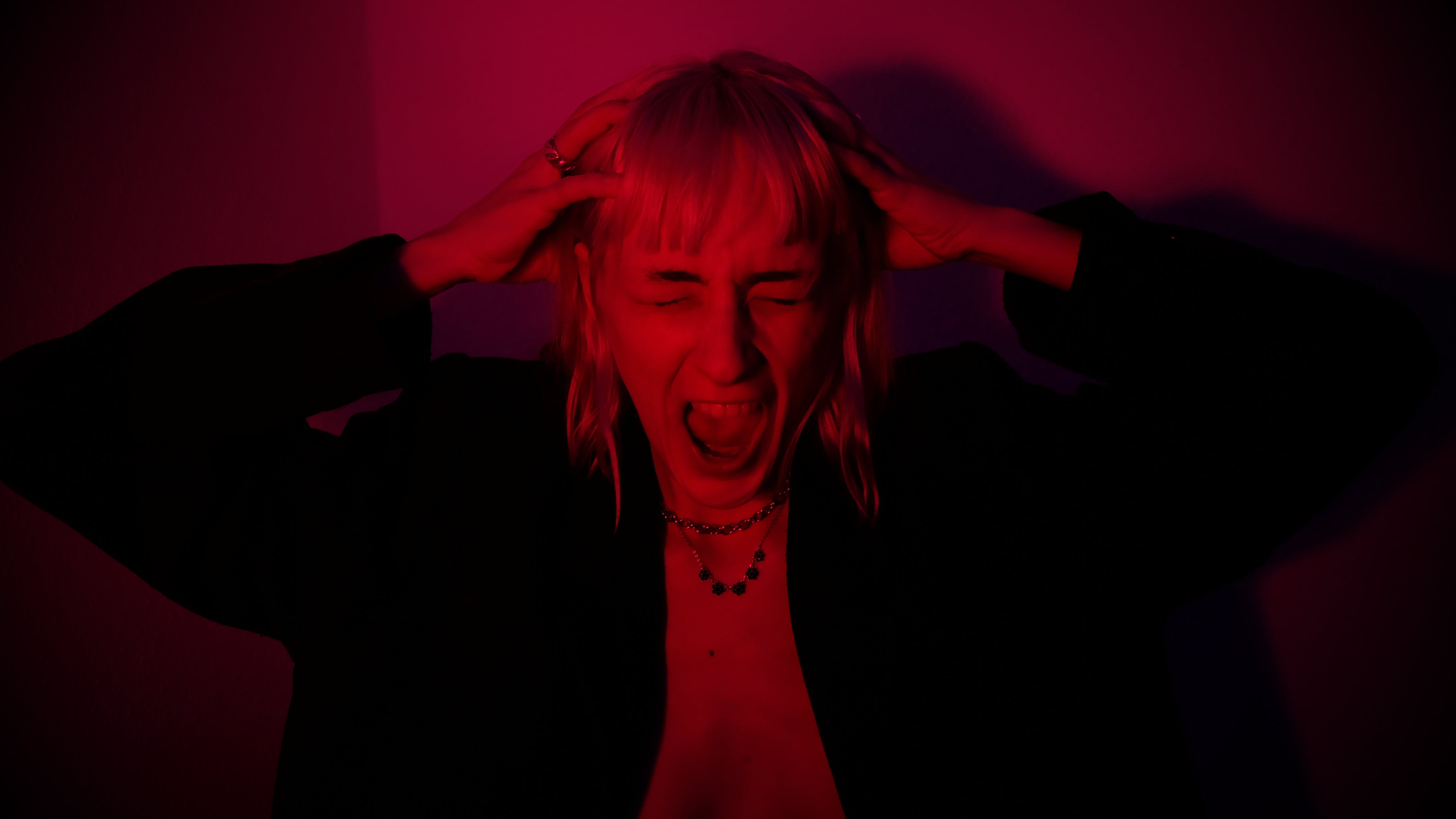
Tag: #anxiety

  • Can Hypnotherapy Help With Anxiety?

    Can Hypnotherapy Help With Anxiety?

    Most people will have experienced anxiety at some time in their lives. This takes the form of tension, worry, a feeling of dread, helplessness, fear, or one of many other symptoms. It is quite natural to have short periods when we are anxious in this way.

    The problem comes when we are anxious on most days for long periods of time, when it effects our lives so that we are no longer living the life we want to live. For some people, this level of anxiety builds up over a long time and they come to accept it as “normal”.

    There is nothing normal about having constant anxiety.

    So if you feel that tension, the worry, the dread of the day to come – you might want to consider doing something about it. There are lots of things you can do for yourself to ease it off. However, if you need help in getting your life back together, just bear in mind that hypnotherapy can be very effective.

    Hypnotherapy is not magic. I cannot simply snap my fingers and make my clients change. In fact, hypnotherapy cannot make anyone do anything. But it can encourage your subconscious mind to choose a path that can lead you to be more like your normal self, and more in control of your life.

    I have seen hundreds of people with anxiety in one form or another over the years. Typically, I see them for between five and ten weekly sessions before they have got their lives back together and feel normal again.

    Hypnotherapy can be extremely effective at combating anxiety.

    So if you happen to be wondering “Can hypnotherapy help with my anxiety?”, you can type in “Tim Maude Hypnotherapy” into Google or Google Maps . Click on the review tab and read the Google reviews that tell you what my clients think of me. Then give me a call or use the contact form on my website and we can arrange to have a chat.

  • How to Stay Mentally Fit – the Mental Health Hygiene Triangle

    How to Stay Mentally Fit – the Mental Health Hygiene Triangle

    I spend a lot of time talking about anxiety and what happens when things go wrong, why it happens and what to do about it. Today, I want to take a different approach.

    We brush our teeth each day even when our teeth are healthy. It’s just a dental hygiene habit. But what is the equivalent mental hygiene habit? This article looks at the mental health hygiene triangle.

    Mental Health Hygiene

    The mental health hygiene triangle covers body, mind and attitude. There are things we can do in each of these areas that will support our mental health. I have divided each of the three areas (body, mind and attitude) into three categories, making nine in all.

    Body

    1. Sleep Well – When we are asleep, particularly during the dreaming phase, our brains sort out all the stresses of the day. If we don’t get enough sleep, ours brains do not have time to sort it all out and so we wake up with stress that still needs to be sorted out.
    2. Eat Well – There is growing scientific evidence that eating poorly effects our mental health. In particular, eating a wide variety of plants (vegetables, fruit, nuts, grains and so on) has a positive impact on the gut biome, which in turn gives us a better mental outlook.
    3. Exercise Well – We don’t have to go down to the gym for hours each day (unless you really want to). Even going for a short walk round the block has a positive impact on our mental health.

    I know that not everyone can do all these things, but the more you can make changes to keep the body in shape, the better mental health you will have.

    Mind

    1. Mindfulness – Mindfulness is about focusing one the here and now. Focus your attention on everything you are experiencing right now – for example, the feelings of your arm moving as you raise a cup of coffee to your lips, the change in temperature of your face as the hot air from the coffee hits your face, the light reflected in the surface of the coffee, the taste of the coffee as it hits your tongue and so on. Just practicing mindfulness for a few minutes each day trains your brain to be able to focus on the here and now.
    2. Focus – Train your brain to be able to focus on one thing at a time – get absorbed into watching a film or reading a book, or playing a sport or whatever you like to do. If you notice the odd stray thought enter your mind, just notice it and bring your attention gently back to whatever you are doing.
    3. Reflection – Spend a few minutes each day reflecting on how things are going for you. In particular, notice the things you have experienced that have been good for you, things you have enjoyed – because those are the things you should do more of.

    You need to set aside time each day to practice these things. For me, it’s first thing in the morning over a cup of tea. For you it may be something different.

    Attitude

    1. Positive Thinking – We have a natural tendency to focus our thinking on the stuff that is going wrong in our lives – and this just creates a little bit more stress. So change the balance of your thinking – notice the good things in life when they occur – things that give you those little nuggets of joy in your life – things you are grateful for.
    2. Positive Action – Ask yourself, “What small thing could I do to make my life a bit better?” Then get out and do it – no matter how small. Small positive actions may seem to be trivial in comparison with whatever else is going on in your life, but those actions have a direct impact on your mental health.
    3. Positive Interaction – Spending time interacting with other people in a positive manner has a big positive impact on mental health. It could be chatting with the person at the checkout in the supermarket, a good chat with your friends over a cup of tea, or simply being with others going for a walk.

    Keeping your body healthy; training your mind so that it can be mindful, focused and reflective when you need it to be; and adopting a more positive attitude to life are three major tools you can start using today to improve and then maintain a good state of mental health.

    And Finally …

    If this is not enough for you to get your anxiety under control, and get you into a good mentally healthy state, you may need help. I help people with anxiety get their lives back in control using hypnotherapy from my clinic in Fleet, Hampshire. I can also serve people online. Give me a call or contact me if you want a chat.

  • Why does anxiety come and go?

    Why does anxiety come and go?

    Anxiety is not like a car engine. You can’t simply stop and start anxiety at the push of a button. Anxiety has a habit of starting of its own free will and stopping whenever it feels like it. Why is that? And what can you do about it?

    Is Anxiety Natural?

    Moments or brief periods of anxiety are quite natural and a normal part of our survival mechanism. If you get hit in the face by a football when walking in the park, then the next time you walk past a football game in the park, you will feel a little bit of anxiety. This anxiety will focus your attention on the game as you pass, so you are better able to dodge if another football heads in your direction.

    Anxiety helps you focus your attention on potential dangers, and therefore helps you to avoid it. This is the natural way anxiety works.

    Is Daily Anxiety Normal?

    No, it is not! A bit of anxiety when there is potential danger around is quite normal. But for most people this should only pop into their lives on odd occasions. If you feel the anxiety coming over when there is no danger around, then this is a sign that your brain is over-reacting and I would suggest that you do something about it.

    Some of my clients have anxiety the minute they wake up in the morning, others have anxiety that is triggered by certain places or people, or maybe when in crowds or sometimes for no apparent reason at all. My clients have recognised that that is a problem and have decided to do something about it.

    Why Does Anxiety Come When There is No Danger Around?

    Anxiety is triggered by the fight-or-flight centre of the brain that is over-stimulated by a lot of stress. This could be big stressful event that have happened in the past, or leading a stressful life, or, indeed, because of excessive worry about the future. Too much stress fills up the (metaphorical) “stress bucket”, which triggers anxiety when it’s too full.

    Why Does Anxiety Disappear for No Apparent Reason?

    It may be that someone gets distracted by something, or relaxes a little bit. In response, the fight-or-flight centre of the brain decides that there is no longer any danger around and either stops or dials down the anxiety.

    Why Do Some People Have Daily Anxiety?

    If you cut your finger, your skin doesn’t not work properly and it bleeds. If you catch a cold, breathing through your nose doesn’t work properly, as it produces a lot of mucus. If your fight-or-flight centre gets the idea that you are in danger, you get anxiety.

    It’s as simple as that. If the fight-or-flight centre is not operating properly, then anxiety can occur at any point – possibly every day. Just like any other problem with your body, something has gone wrong and it needs sorting out.

    How Can You Fix Anxiety?

    Just like a small cut to your finger or a mild cold, if it is minor anxiety that you can cope with then you can apply a few home remedies or just leave it to sort itself out.

    However, if you broke your arm, or had a serious gastric bug, you would want to seek out a doctor. Likewise, if the anxiety is stopping you lead the sort of life you want to lead, you might want to get help fixing it – either through medication prescribed by a doctor or through therapy.

    And Finally …

    Hypnotherapy is a very effective means of dealing with anxiety. I specialise in helping clients who are only just coping with anxiety to get them back in control of their lives. I work from my clinic in Fleet, Hampshire as well as working online. If you want a chat – call me or fill in the contact form on my website.


    Photo by Erik Mclean on Pexels

  • Hypnotherapy: The Less-Known Way to Relieve Anxiety Without Pills

    Hypnotherapy: The Less-Known Way to Relieve Anxiety Without Pills

    I wish I had known years ago what hypnotherapy can do to calm anxiety. I have had times in my life when I have woken up in the morning dreading what the day was going to bring without realising that there is a solution. Thankfully for me, those times are long gone and I now wake up looking forward to each day ahead.

    I see clients each week who tell me that they have chosen to come to me because they don’t want to get onto the treadmill of taking pills to keep their anxiety under control. Other clients come to me who have been on medication for so long that they don’t really remember what they are taking it for.

    Now, I am not scorning anti-anxiety medication. If it helps you, then you should definitely take it. For many people taking pills is the best way to keep the anxiety at bay. However, if your anxiety disrupts your life too much and don’t want to take the medication route, then you need to look for something else.

    Prescribed Anti-Anxiety Medication

    Doctors will normally prescribe one of the following as a medication for anxiety:

    • Antidepressants (SSRIs or SRNIs) – antidepressants are long-term drugs used for helping relieve the symptoms of both anxiety and depression
    • Anti-epilepsy drugs – Pregabalin is an anti-epilepsy drug that also helps with anxiety
    • Sedatives – Benzodiazepines are sedatives that can be used over short periods in times of high anxiety
    • Beta-blockers – more commonly used for heart problems, but can also stem the amount of adrenaline that is produced in high stress conditions

    Non-Prescription Anti-Anxiety Medication

    If you Google “Anti-anxiety medication”, you will be offered a whole host of over-the-counter remedies. I have no idea if any of them work – but if you find one that works for you, then go with it.

    You may also find that you are offered psilocybin (the active ingredient in magic mushrooms), sometimes called “micro-dosing”. In the UK these are illegal, being classified as a class A drug.

    Hypnotherapy as an Alternative

    If you don’t want to take medication or you cannot cope with the side-effects, you can choose a form of therapy to help not only relieve the symptoms, but also get rid of the underlying causes. Hypnotherapy is highly effective at getting anxiety under control and allowing you to get your life back together again.

    Note that it is not a case of Either Hypnotherapy or Medication – it is quite safe to have hypnotherapy session while taking the medication at the same time.

    Warning – if you are on prescribed medication for anxiety, do not stop taking them without consulting your doctor first. Some anti-anxiety medication can have serious side-effects if you come off them suddenly.

    Case Study: Hypnotherapy versus Anxiety

    John ran a small building company. He took on small building projects with a handful of employees helping him do the work. John came to see me because he would wake up in the mornings dreading the day ahead. He couldn’t sleep well, waking up in the middle of the night and worrying about whether he had done anything wrong on the building site – so he couldn’t get back to sleep again.

    In his first session, John started to explain to me what he thought had brought about the anxiety (a recent bereavement of a close friend). Although I listened carefully to his ideas, I did not ask him to tell me any more. I am not interested in where the problem came from, I am only interested in how he wanted to change.

    We started exploring how his life could be without the anxiety, along with regular hypnosis to reinforce the changes that his subconscious mind was making. After eight sessions, he was waking up after a good night’s sleep and eager to start the day.

    At our last session, he asked me if he could come back if the symptoms returned, and of course I agreed. That was three years ago, and I haven’t heard from him since.

    (Of course, names and other details of this case study have been changed to ensure anonymity.)

    And Finally

    If you think you might like to explore hypnotherapy as an alternative or to run alongside your anti-anxiety medication, you can contact me and I will be happy to have a chat. I run my hypnotherapy clinic in Fleet, Hampshire, and also work online.

    References

    Anti-anxiety medications
    https://www.nhs.uk/mental-health/conditions/generalised-anxiety-disorder/treatment/

    https://www.mind.org.uk/information-support/drugs-and-treatments/sleeping-pills-and-minor-tranquillisers/anti-anxiety-medication


    Photo by Alex Green on Pexels

  • Unpredictable Overwhelming Feeling: Exploring The Scourge Of Panic Attacks

    Unpredictable Overwhelming Feeling: Exploring The Scourge Of Panic Attacks

    What is a Panic Attack?

    Panic attacks are sudden surges of intense fear or anxiety that come on quickly and reach their peak within minutes. They can be incredibly frightening and debilitating, often leaving people feeling like they’re losing control or even dying.

    During a panic attack, the the brain’s fight-or-flight centre becomes hyperactive, mistaking harmless sensations as threats and triggering a massive fight-or-flight response. (Update added post publication of this article – Recent scientific research suggests that there may be another circuit in the brain, outside of the fight-or-flight centre (the Amygdala) that may be involved. The jury is still out on this one. See references.)

    What are the Symptoms of a Panic Attack?

    Symptoms of a panic attack vary from person to person, but most panic attacks are characterised by several of the following physical and mental symptoms

    Mental Symptoms
    • Overwhelming anxiety – You may feel so overwhelmed that you cannot think straight.
    • Sensation of impending doom – You may have a feeling that something terrible is going to happen, even if you can’t identify what it is.
    • Detachment from reality – You may feel that you are somehow detached from what is going on around you. You may even feel as if you are outside your own body.
    • Loss of control: You may feel like you have lost control of your mind and/or body
    Physical Symptoms
    • Racing heart or heart palpitations
    • Shortness of breath
    • Sweating
    • Chest pain
    • Lightheadedness
    • Nausea
    • Trembling muscles
    • Tingling sensation
    • Feelings of heat or cold

    It’s important to note that many people will only experience some of these symptoms, and the severity of symptoms can vary from person to person and from attack to attack.

    Is it a Heart Attack or Panic Attack?

    The symptoms of a heart attack (more properly known as a myocardial infarction) can be very similar to the symptoms of a panic attack. If you are in any doubt whatsoever – call for the emergency services – it’s better to be safe than sorry.

    Don’t worry … there are plenty of people who go to the hospital emergency department with what they think might be a heart attack, only to find that it was a panic attack. The staff there are used to it.

    If you have panic attacks quite often, you will start to understand the symptoms that you get and learn to recognise them for yourself.

    What Triggers a Panic Attack?

    Panic attacks can come out of the blue. It may not be possible to identify what triggers them. Some people may be able to spot a pattern in their panic attacks and notice what triggers them. For many, however, they just happen at apparently random times.

    Panic attacks are more likely to occur in times of extreme mental or physical stress. The pressure of having a large amount of critical things to do may trigger a panic attack. A traumatic event, or going back to the place where a traumatic event took place could be the trigger. Extreme physical effort, sudden large changes in temperature, or taking too many stimulants like caffeine or cocaine could be the cause.

    What Can I Do When I Have a Panic Attacks

    There are a number of things that you can do when you realise you are having a panic attack. If you have panic attacks quite often, you should practice these regularly when you are not having a panic attack. When you have a panic attack, your conscious thinking often gets overwhelmed and so if you have practiced these beforehand, it will be much easier to do so when the panic attack happens.

    1. Slow your breathing down – for example, breath in for the count of 4 and then out for the count of 6. When practising, keep this up for a couple of minutes so that you get used to the amount of air you need to breath in without hyperventilating.
    2. Muscle relaxation – consciously go through each major muscle group in your body one-by-one and relax it. For example, start with your shoulders, then neck, arms, hands, chest, stomach, upper and lower legs.
    3. Ground yourself – consciously look around you and notice things that you can see around you, naming them one by one. Then listen to the things you can hear and name them. Then notice the things you can feel (the floor on the soles of your feet, the temperature of the air around you etc.).

    How Do I Avoid Getting Panic Attacks in the First Place?

    Panic attacks are a form of anxiety, which is often associated with a lot of unresolved stress. Once you deal with the underlying causes of anxiety and stress, the panic attacks will resolve themselves. You don’t need to deal with the panic attacks as a specific problem as they will gradually diminish and disappear completely once the underlying anxiety and stress is under control.

    If you know what triggers the panic attack, you can, of course, attempt to avoid the triggers – but this does not tackle the underlying stress and anxiety.

    There are three basic approaches for dealing with anxiety and stress:

    1. Mental health hygiene – changing your lifestyle to include more mental health hygiene activities such as getting enough sleep, doing at least a little exercise, eating healthily, avoiding taking on too much, having positive interactions with other people and the like.
    2. Medication – medication for panic attacks is usually prescribed in the form of either antidepressants (which, as well as helping with depression, help with anxiety), beta blockers (which block the release of stress hormones adrenaline and noradrenaline), or sedatives (which slow down the activity of the brain).
    3. Therapy – there are various forms of therapy – hypnotherapy and cognitive behavioural therapy (CBT) are two of the most common and can be highly effective at treating anxiety.

    How Do I Get Help From You?

    Call me or send me a message if you want hypnotherapy to help with panic attacks. I help all sorts of people with anxiety and stress-related issues, using hypnotherapy to help them regain control of their lives and get back onto the right path. My clinic is in Fleet, Hampshire and I also work online.

    References

    https://economictimes.indiatimes.com/news/international/us/end-of-panic-attacks-a-new-brain-discovery-may-find-a-solution-know-in-detail/articleshow/106580221.cms


    Photo by Skylar Kang on Pexels

  • Escape the Worry Whirlpool: How to Break the Anxiety Trap and Find Your Calm

    Escape the Worry Whirlpool: How to Break the Anxiety Trap and Find Your Calm

    Do you ever feel like you’re stuck in a worry whirlpool, swirling down a drain of “what ifs” and negative thoughts? Anxiety, that persistent hum of unease, can trap us in this mental maelstrom, stealing our peace and joy.

    But fear not, fellow navigators of the emotional seas! You don’t have to stay adrift. Here’s how to break free from the anxiety trap and find your calm centre:

    1. Acknowledge the Whirlpool: The first step is awareness. Notice your anxious thoughts and worries without judgment. Are they circling around past events, future uncertainties, or imagined scenarios? Once you acknowledge them, you can start to challenge their power.
    2. Move Away from the Turbulent Waters: Stop dwelling on the unpleasant things of life: worrying about what has happened; thinking of all the things that could go wrong in the future; taking to heart all the horrible things that are going on in the world that you can’t do anything about? Dwelling on the unpleasant things of life drags you further into the anxiety whirlpool.
    3. Seek Calmer Waters: Start noticing the good things in life. Give yourself a pat on the back when you get something right. Get yourself excited about the things that could go well for you. Think about what you are grateful for.
    4. Steer Towards the Middle Way: You cannot ignore the bad stuff that is happening in the world. You cannot avoid bad things happening to you. You have to deal with it – but you don’t have to dwell on it. Find yourself the middle way – the middle way that lets you deal with the bad stuff only for as long as you need to, while you focus most of your time on the good stuff.
    5. One Stroke at a Time: Remember, getting out of the whirlpool takes time and effort, but you can do it – just take one stroke at a time; take it day by day.
    6. Get Help if You Need To: Friends and family can help – people to talk to who will listen. If you need professional help, you will still have to invest time and effort, but you will get out of the whirlpool faster.

    I help people who are only just coping with stress and anxiety. I use hypnotherapy to help them get back in control of their lives and get rid of unwanted symptoms. I work out of my clinic in Fleet, Hampshire as well as working online.


    Photo by Erik Mclean on pexels