I had to go to hospital today for a routine appointment. As I was waiting, I remembered all the clients I have helped who get anxious about medical visits – doctors’ appointments, hospital visits, medical procedures, vaccinations … and so on.
It is surprisingly common for people to feel anxious about visiting their doctor or going to hospital. Some people feel anxious, but go anyway. Others feel the anxiety build up so much that they miss the appointment. And there are yet others who avoid going to any medical visits because it makes them so anxious.
Being anxious about medical procedures is often combined with an anxiety about health. If you are anxious about your state of health, then you may avoid going to see the doctor or have a medical procedure because you don’t want to know the result. Of course, this makes it more likely that you will have a medical problem that goes untreated.
Hypnotherapy for Medical Anxiety
Hypnotherapy can have a remarkably positive impact on medical anxiety. By calming down the subconscious part of the brain that causes the anxiety, it is possible to see the doctor and have those medical procedures, to help your body heal and get back into a more normal state.
Medical anxiety happens because the subconscious wants to protect you from the unpleasantness of thinking about your own illness, or the invasive nature of some medical procedures. It is not pleasant to think about your own body failing, and your subconscious tries to protect you from that unpleasantness by making you anxious enough to avoid the medical visit. This is not a logical or sensible but, unfortunately, this is how our brains work.
Hypnotherapy gets round the subconscious rejection of medical visits by tackling the fight-flight-freeze part of the brain directly, calming it down and gradually helping it understand that it is okay to go and see your doctor.
The result is that, after a few hypnotherapy sessions, people will be able to face the medical visits with much reduced anxiety, and so be able to look after their own bodies.
And Finally …
If you recognise this anxiety in yourself, or your friends and family, you are welcome to Contact Me to talk about the possibilities of what hypnotherapy might do. I work from my clinic in Fleet, Hampshire and can also work Online – whichever works for you.
It all starts with contacting me for a no-obligation chat.
Nearly one in five couples in the UK are in a “distressed relationship” (See Ref 1) – one in which there are frequent arguments, thoughts of separation and regret over getting together in the first place. The stress that this puts on the couple is immense. For some, this leads to a lot of anxiety, anger, feeling of inadequacy and other negative emotions.
Now, the accepted wisdom for a distressed relationship is to see a couples counsellor: someone who can help the couple work through their issues and come to a more satisfactory ending – be it a more tolerant and happier life together, or separation. This helps with the relationship, but does not necessarily deal with the anxiety that one or both the pair may have to deal with.
How Hypnotherapy Can Help With The Emotions In Distressed Relationships
Let’s start with what hypnotherapy does not do. It does not help sort out what has gone wrong with the relationship. It does not work with the couple together. It just works with one of the pair to deal with their ability to deal with the emotional upheaval. It does not take sides in the relationship. It just helps sort out the emotional turmoil.
There are many negative emotions that arise from a distressed relationship. For example:
Uncontrolled anger when having an argument
Regret over the situation they find themselves in
Fear about the next outburst and argument
Feelings of inadequacy when the partner talks about breaking up
Jealousy that is still there after accepting a partner back after they had an affair
These are just some of the negative emotions that make it difficult to think straight, and so make it difficult to find a way forward.
Hypnotherapy can help sufferers get more in control of their emotions, and so deal with the distressed relationship in a calmer and more rational manner.
What To Do If You Need Help
If you find yourself in a distressed relationship and want help dealing with the emotional stress that you find yourself under, you might like to consider hypnotherapy.
I have helped people with all the emotional issues arising from a distressed relationship listed above, with the result that my clients have been able to control their own emotions and so deal with the situation in a calmer and more controlled manner.
If you would like to talk to me about this, or any other matter, Contact Me and I will be happy to have a free 10-minute consultation to answer any questions you might have. You can also book in for hypnotherapy with me. I work out of my clinic in Fleet, Hampshire, and also work online.
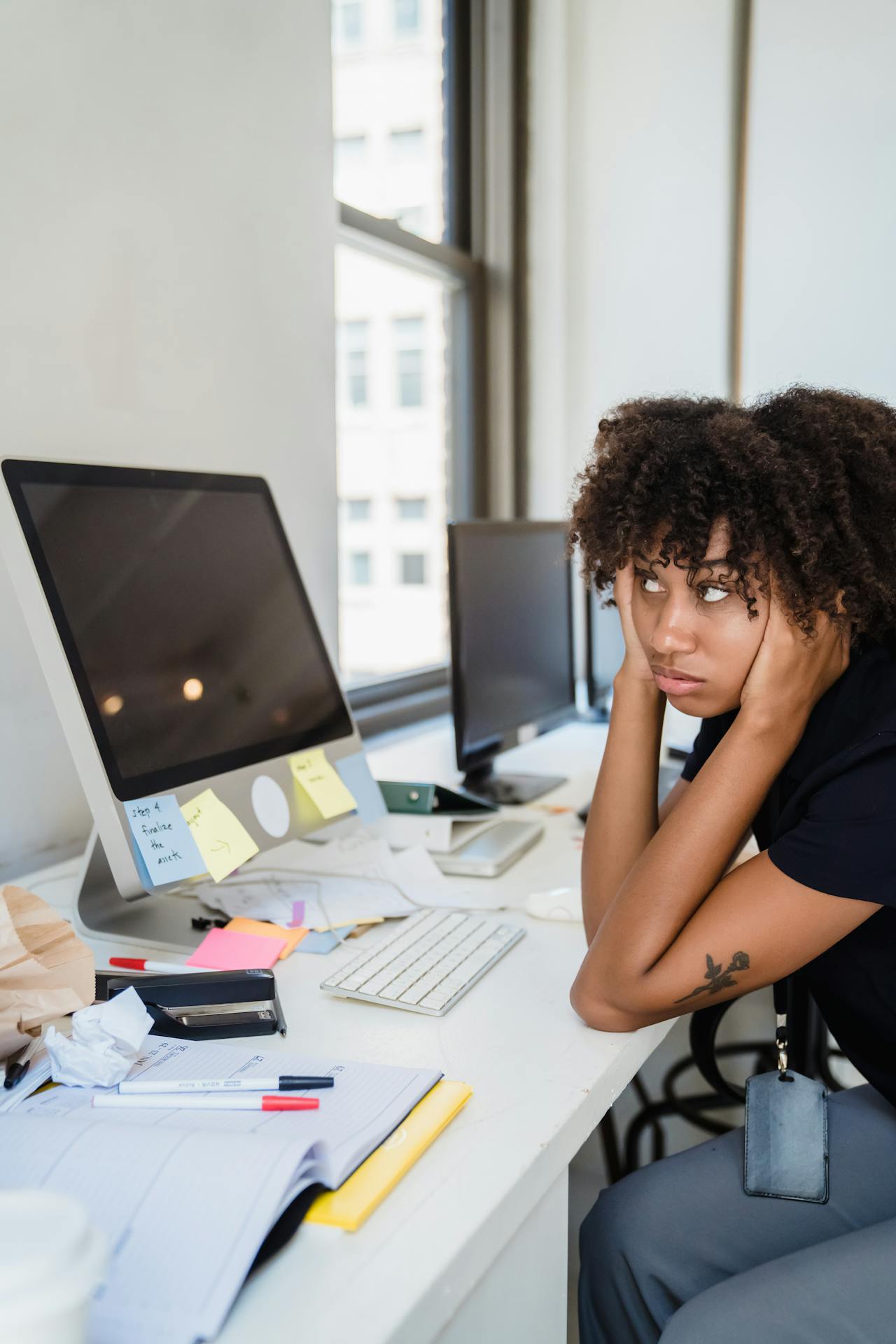
Procrastination leads to increased stress levels. Increased stress levels lead to increased chances of anxiety. If you are a habitual procrastinator, you need to do something about it if you want to ease the additional stress that you are creating for yourself.
What Is Procrastination?
Have you got stuff that needs doing that you have put off? That household job that you know needs doing, but could always be done next week. That medical test that you really should get done, but you don’t really want to know the result. That paperwork that needs seeing to, but is not that urgent.
This is procrastination – putting off doing something until it becomes urgent, even though putting it off adds to your stress. That stress can eventually turn into anxiety.
Why Do We Procrastinate?
When there is something that needs doing, but it’s boring or unpleasant, then it is always easier to find something else to do. That “something else” distracts you from thinking about the thing that needs doing. Scrolling on your phone distracts you from the nagging thought that you really ought to clear those out-of-date items at the back of your fridge.
It’s all about rewards and stresses. Scrolling on the phone give you a small sense of reward, whereas cleaning out the fridge does not. Leaving the fridge just another day does not add much stress. The reward you get from scrolling on the phone is enough to counteract the small bit of stress you get from not cleaning the fridge.
The problem is that the same thing will happen tomorrow, and the day after that, and the day after that … That small amount of stress is always there. And it’s not just the fridge, is it? There are all the other things that you put off, because it’s so easy to do something else more pleasurable.
What Do You Procrastinate About?
It is important to understand the difference between important tasks and urgent tasks.
Urgent tasks need to be done right away, or at least, very soon. If your rent is due today, then it is urgent that you pay it today. If the movie you have gone to see starts in 10 minutes, then it is urgent that you go in and sit down in the theatre.
Important tasks are tasks that are going to have a big impact on your life. It is important that you pay the rent, otherwise you might find yourself being evicted. It would be nice to get to see the movie on time, but, in the grand scheme of things, it is not that important.
Tasks like sorting out that pile of financial papers, booking that medical test that your doctor said you would need, and fixing that slow leak at the back of the sink are important, but they are not that urgent. You can always put them off until next week.
You will tend to procrastinate about tasks that are not urgent, particularly if they are boring or are somehow unpleasant to do. Problems tend to arise when you procrastinate about important tasks that are not urgent. They just get left and provide a constant source of stress while they are not getting done.
How Does Procrastination Impact Anxiety?
When you put things off, you often have that nagging thought, “I really need to get around to doing that.” This thought creates a little bit of stress. The longer you put it off, the more stress it generates.
The more stress you have in life, the more likely you are to develop anxiety. Procrastination itself does not generate anxiety, but the accumulation of the stresses of procrastination with other stresses of life will.
Is Procrastination A Problem For You?
Start by analysing your own behaviour, thoughts and feelings. What tasks are you procrastinating over right now? How much are those tasks creating those nagging thoughts? How does all this make you feel?
Now ask yourself, “What will it be like when those tasks are done?” Get a sense of how good you will feel when they are all out of the way and you can get on with life.
Now step back and evaluate yourself. Is procastination a problem for you? If it is, you should start doing something about it.
How Can You Get Over Procrastination?
If you are a habitual procrastinator, experiment with some of these ideas to find out which combination works best for you:
Write a list of tasks – Listing tasks gives you a sense of control. Write a list of all the tasks that you are procrastinating about. Put this list somewhere where you will see it every day.
Cross things off the list when you have done them – Creating a visible sign of progress gives a sense of accomplishment. When you have completed a task, cross it off your list using a thick pen or highlighter, or if it is an electronic list, highlight the task by making it bold, say.
Do something, however small – Motivation arises when you start doing something. Make a deal with yourself to work at a task for, say, ten minutes. Once ten minutes are over, you can choose whether to continue or finish it later.
Be proud of yourself when you done a task – A few seconds of pride in yourself when you have done something that you have been putting off will motivate you to do some more tasks at another time. Take a moment to step back and look at what you have done. It may not be much, but you can still be proud of achieving it.
Break down big tasks into little tasks – You will feel more motivated to start a small task than a big one. That pile of financial papers that need sorting … divide it into, say, four smaller piles, and just sort one of them to start with.
Reward yourself for doing a task – Promised rewards provide motivation. Make a deal with yourself – I will do something more enjoyable after completing one of the tasks. When you have done one task, reward yourself with half an hour of screen time, or your favourite meal.
Do small tasks immediately – It is difficult to motivate yourself to start on a list of hundreds of tiny jobs. Estabish the “two minute rule” in your life. If you have a task that will take less than two minutes – do it immediately rather than adding it to your list.
Get a friend to hold you accountable – You are more likely to do a task if have told someone else that you’ll do it. Tell your friend what you are going to do and when you plan to do it. Also, tell them when you have done it.
Forgive yourself – Forgiving yourself for your past procrastination will help you do more tasks on your list. If you feel guilty about procrastination, then your list of tasks will only remind you of your guilt feelings, so you may avoid thinking about the tasks. So go easy on yourself.
Book time in your calendar – When you know you have a fixed time to clear some of your backlog of tasks, you will be more likely to do them. Book time to work on them in your calendar, and when the time is up you can get on and do something more enjoyable.
And Finally
If procrastination is a problem for you, then it is a problem. It needs sorting out. Start small and build it up so that procrastination is no longer a habit. If it is not a problem for you, then you don’t need to fix it. Just remember that procrastination adds to your stress, and too much stress turns into anxiety.
If you need some help with any aspect of your anxiety or depression, you may like to give hypnotherapy a go. Contact Me for a free 15 minute consultation. I would be happy to talk your issues through with you and answer any questions you might have.
Credits
Photograph by Mizuno K on Pexels Graphics generated by AI Google NotebookLM
People don’t understand what it’s like to have anxiety. They don’t understand what it’s like to wake up up in the morning with that overwhelming impending sense of doom. They don’t understand what it’s like to go through life in a constant state of worry – about anything and everything. If they haven’t experienced it, they don’t understand what anxiety sufferers go through.
Now … If you can relate to this … If you find people don’t understand you and what you’re going through … If you want help in getting back to life a normal life again …Then you might like to try hypnotherapy.
If you want to find out more about hypnotherapy. … check out my website and contact me.
I specialise in helping people with anxiety and depression. I use hypnotherapy to help them regain their normal life. I work from my clinic in Fleet in Hampshire as well as Online. So if you want help dealing with your anxiety you can Contact Me for a free 15 minute phone consultation and ask any questions you might have.
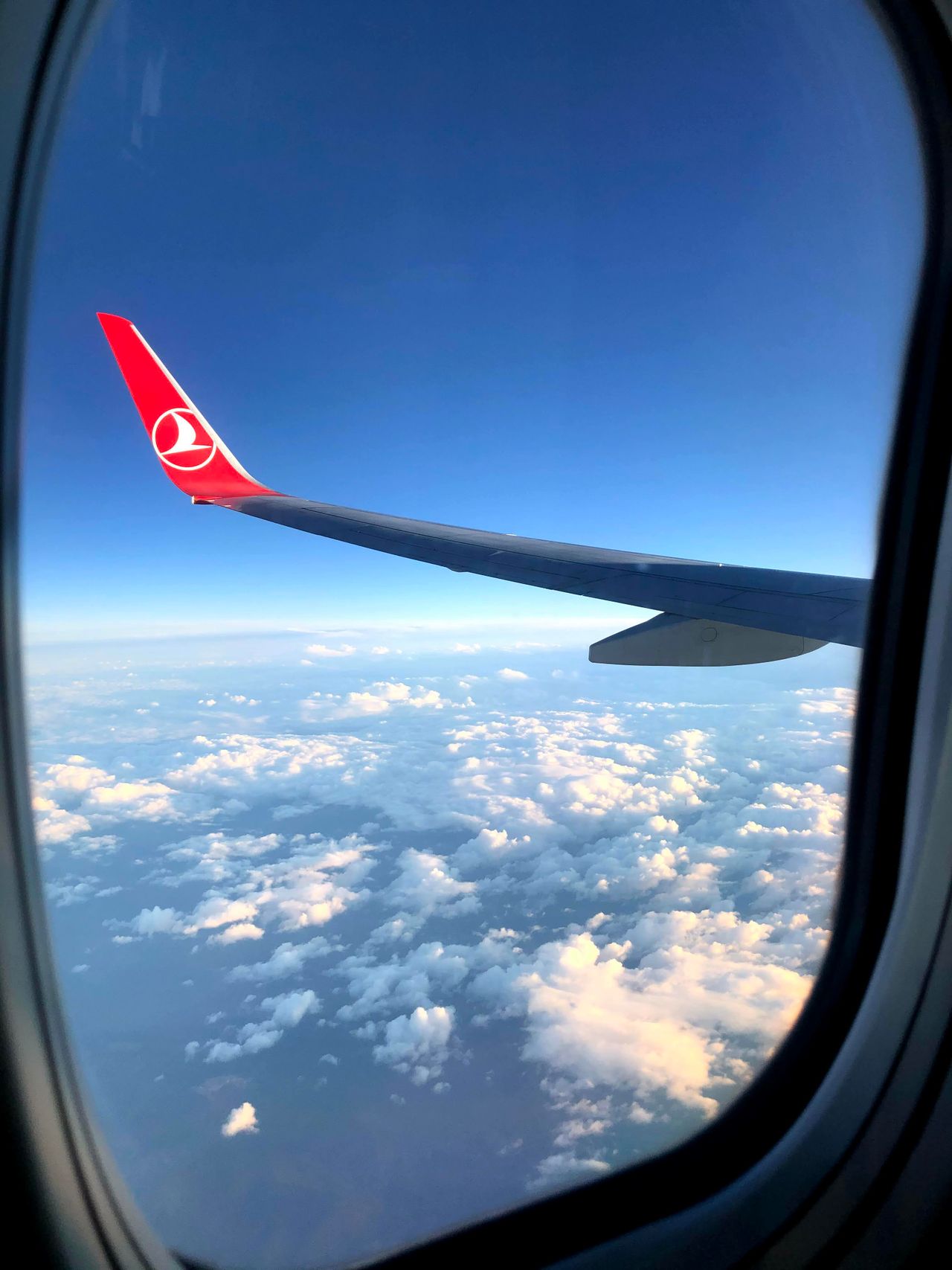
In the last few days there has been a horrendous incident where a plane collided with a fire-fighting vehicle at LaGuardia Airport New York. This is an isolated incident, but it can only heighten the anxiety of people planning to fly in the coming weeks.
Fear of Flying and its Consequences
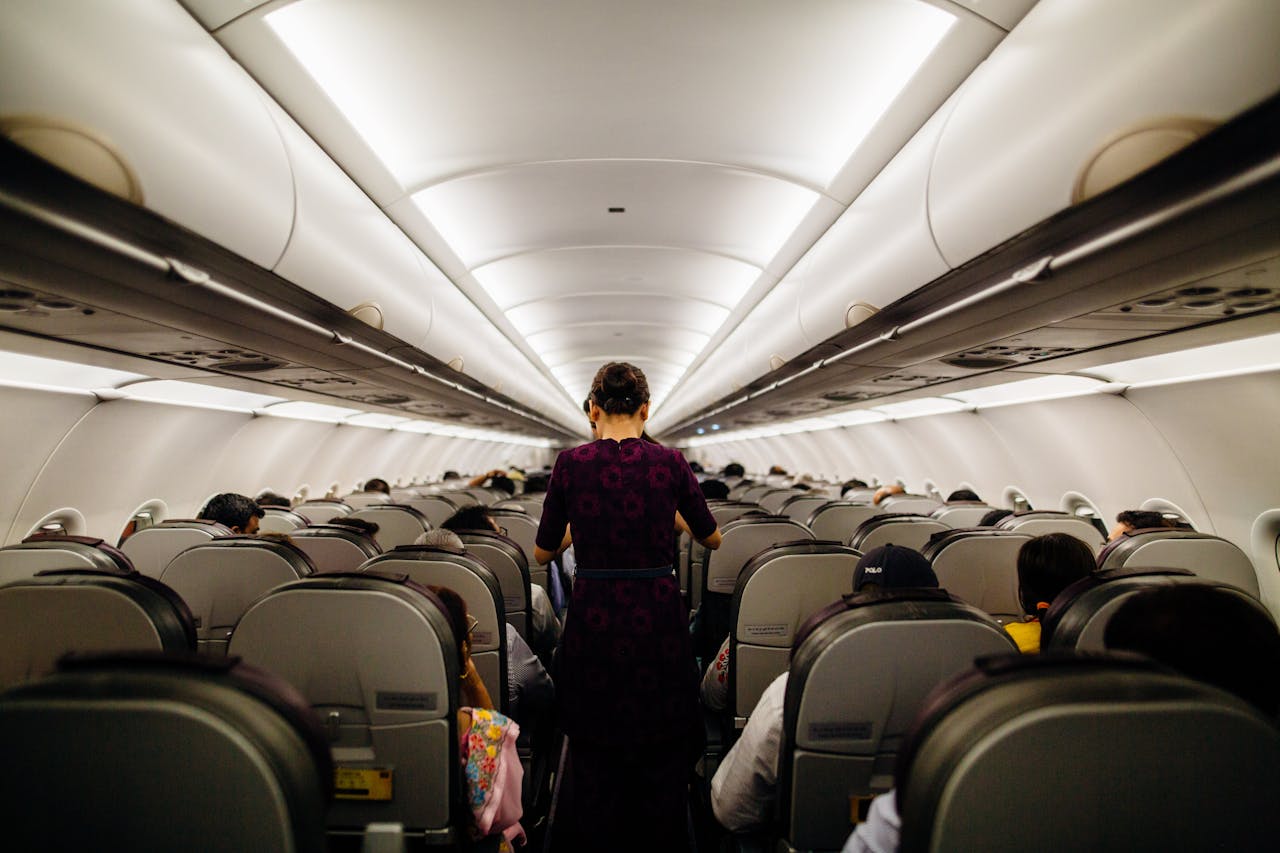
There are many people who experience anxiety when flying or when they are about to take a flight. This can range from mild nervousness to full blown panic attacks or anywhere in between.
For people who are expected to fly for work, this can be a real problem. The anxiety that is generated by the flight can only inhibit their ability to do their job of work properly while they are away.
For those who simply want a holiday in the sun once a year, this fear can ruin the anticipation of a good holiday, and ruin the holiday because of worry about the flight back.
How Hypnotherapy Helps With Fear of Flying
Hypnotherapy helps by tackling the primitive parts of the brain that is generating the fear. The people I have helped get over a fear of flying fit broadly into three categories:
People who have had a bad experience of flying in the past.
People who are always anxious when they fly, but for no apparent reason.
People who have never flown and have anxiety over taking their first flight.
Each of these people have anxiety thinking about flying as well as being on the flight itself. Hypnotherapy allows them to calm down that part of the brain that generates the anxiety.
One client, who had a particular fear of the take-off and turbulence called me up after his trip. He said that on the return flight, they took off in the midst of a violent thunderstorm, so that as the plane left the ground they were already in massive turbulence. “I actually quite enjoyed it.” He told me.
Hypnotherapy works best shortly before the flight itself. I usually start to see people about two or three weeks before their flight.
Other Options
Although I would highly recommend hypnotherapy, you should be aware that other options are available.
Self medication – Some people take over-the-counter medication to keep them calm or drowsy for the flight.
Prescribed medication – Drugs to calm you are available from your doctor if the symptoms are bad enough.
Fear of flying courses are available from many airlines.
Cognitive Behavioural Therapy (CBT) is available from the NHS provided your symptoms are bad enough.
I am aware of people who self-medicate with a lot of alcohol. Personally, I would not recommend this option.
Ask Me About the Hypnotherapy Option
If you want to enquire further about hypnotherapy as an option to help with your fear of flying, Contact Me on the form below and I will get back to you to arrange for a free 15 minute consultation. Then, if you want to book in, I can arrange that too.
I work out of my clinic in Fleet, Hampshire, and also work online.