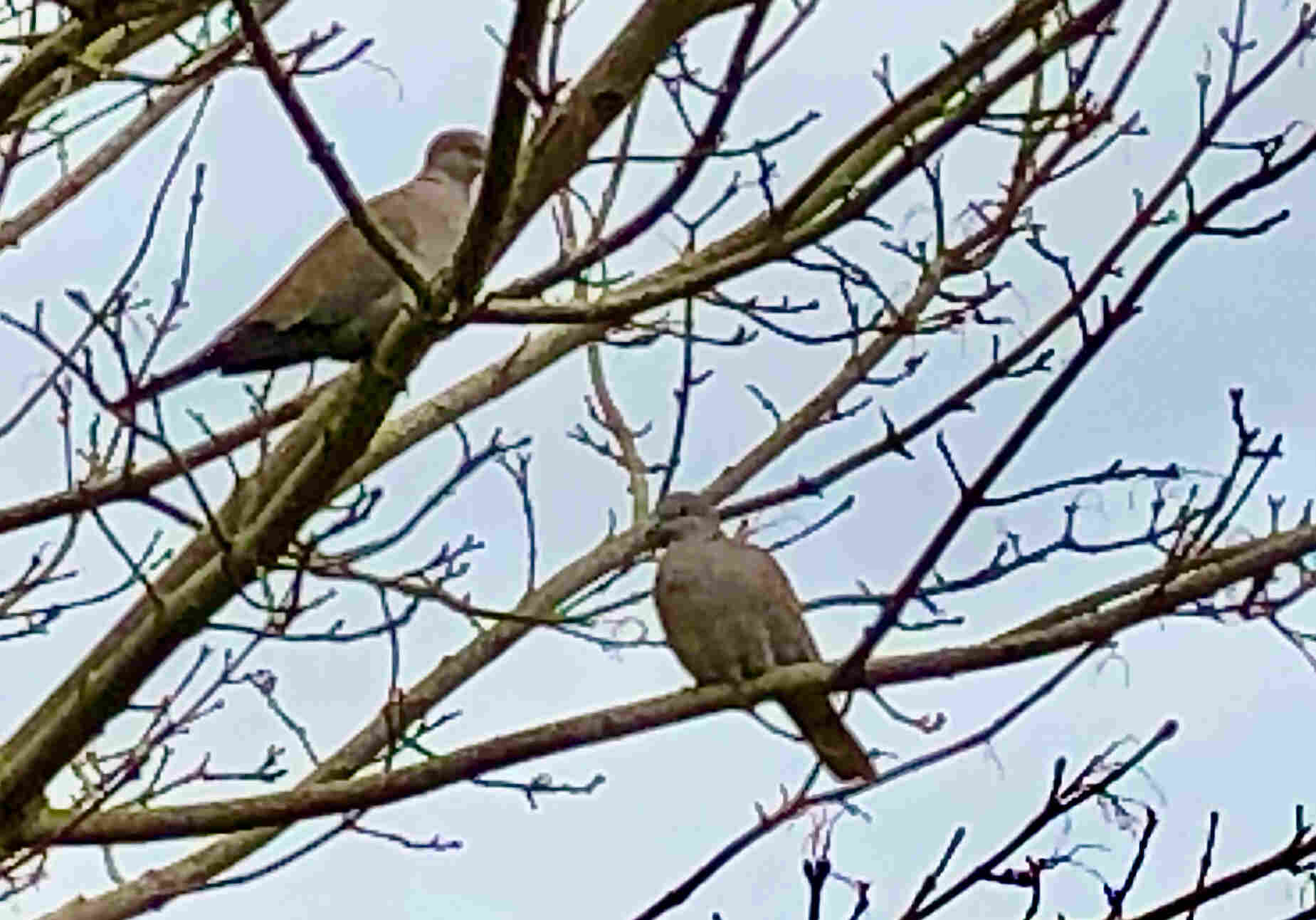
Somewhere near my clinic lives a pair of doves, who occasionally land in the tree outside my window. They sit there without a care in the world. They do not know where their next meal is coming from, or even whether they will survive the rest of the winter, and yet I can see no signs of anxiety or stress. They appear calm and peaceful.
Now, the thing that human’s have that makes us what we are is a powerful and imaginative brain. Unlike the doves, we can imagine what the future will be like. And we are very good at imagining the future to be a dismal place. We are very good at imagining all the things that could go wrong.
This is our survival instinct. If we can anticipate the things that might kill us, we might just be able to avoid them. Unfortunately, even though we live in a relatively safe world, our survival instinct can still be put on high alert – and our survival instinct does not care how we feel, it only cares that we survive.
So our survival instinct makes us worry about what might go wrong. It can create stress and anxiety, but it doesn’t care about that – it only cares that we survive.
The very organ that makes humans so distinct from the animals also creates worry, stress and tension. The general term for this is anxiety. Anxiety takes on many forms, whether it is worry about things going wrong, fear of certain situations, flashbacks to past situations and so on.
The part of the brain that is responsible for this survival instinct is the Amygdala. This has two parts – one in each side of the brain and each is about the size of an almond. When the amygdala recognises something as a threat, it reacts. It can react in a number of ways, but the one many people will be familiar with is anxiety.
Anxiety makes us focus on anything that might go wrong. Our ancestors, who lived in a far more dangerous world than we do today, would need that anxiety when they went out searching for food. Their anxiety would keep them focused on the possibility of being attacked by wild animals or enemy tribes. It is this focus that would have helped them escape before they were noticed.
In today’s world, those people who suffer from anxiety can find themselves focusing on the negative, anticipating the things that might go wrong, and worrying about the future. This is all a primitive survival instinct coming into play.
Do the doves on my tree suffer from anxiety? Of course they do when they see a cat stalking them, but the anxiety last a few seconds while they fly on to another tree, whereas in humans the anxiety stays around for a much longer time.
And finally …
If you have difficulty coping with anxiety on your own, you might consider seeing your doctor or attending therapy. I help people with anxiety using hypnotherapy in my clinic in Fleet, Hampshire. You are welcome to Contact Me if you would like to discuss the help I might provide.