
Category: Stress and Anxiety

  • Goodbye Anxiety: Focusing on the Good Can Supercharge Hypnotherapy

    Goodbye Anxiety: Focusing on the Good Can Supercharge Hypnotherapy

    I often start my hypnotherapy session with a simple question: “What’s been good?” It seems a strange question to ask of a client who has come to me with a life full of anxiety.

    My clients think they have come to talk about their problems, and they find me asking, “What’s good in your life?” Strange though it may seem, talking about the positive really boosts the power of hypnotherapy in sorting out the problems they have with anxiety.

    Breaking the Downward Spiral

    Anxiety can get into a downward spiral. The purpose of anxiety is to get you to focus on the problem in order to sort it out. But thinking about the problem often only makes the matter worse. Anxiety is a bit of a hangover from the time when our ancestors lived in a dangerous world.

    Focusing on problems and the bad things that happen to us all simple adds to the anxiety. The increased anxiety makes us focus on all the bad stuff all over again … and so on into a downward spiral.

    Why Appreciation Matters

    Appreciation isn’t about pretending everything is perfect. It’s about acknowledging the good, the positive aspects of life, even in the midst of difficulty. It’s like shining a spotlight on the tiny green shoots pushing through the bare soil, celebrating the small victories and pockets of joy that exist alongside the challenges.

    Appreciation does more than just make you feel good. It has a profound impact on our minds and bodies. Studies have shown that practicing gratitude can:

    • Reduce stress and anxiety
    • Boost the immune system
    • Improve sleep quality
    • Increase feelings of happiness and well-being
    • Enhance self-esteem and confidence

    Appreciation in Hypnotherapy

    Having a few moments of being positive provides a real boost to hypnotherapy. When you learn to appreciate the good things in life – no matter how small – your subconscious mind relaxes, just a little bit, and allows change to take place. So that when you go into a light hypnotic trance the subconscious is far better able to deal with the backlog of stress and anxiety that has built up.

    Appreciation does not only help boost the power of hypnotherapy. It can be used to decrease the impact of anxiety in your life, even if you don’t have any type of therapy.

    How to Cultivate Appreciation

    Appreciation is a skill that needs practice. You may like to try some of these:

    • Keep a gratitude journal: Take a few minutes each day to write down things you’re grateful for, big or small.
    • Practice mindfulness: Pay attention to the present moment and notice the good things that happen around you, even if they seem insignificant.
    • Express gratitude to others: Let the people in your life know how much you appreciate them.
    • Celebrate your successes: Take time to acknowledge and celebrate your accomplishments, no matter how small.
    • Focus on the positive: When you find yourself dwelling on negative thoughts, make a conscious effort to shift your focus to the good things in your life.

    By incorporating these practices into your daily life, you’ll cultivate a more positive mindset and create a foundation for lasting change. Remember, it’s not about ignoring the challenges you face, but rather about acknowledging them while also shining a light on the strengths, resources, and positive aspects that already exist within you.

    Appreciation is a powerful tool, and when used in conjunction with hypnotherapy, it can help you unlock your full potential.

    And Finally

    Not everyone can manage their own anxiety without help. If feel you need some assistance, I help people overcome their anxieties using hypnotherapy. I work from my clinic in Fleet, Hampshire as well as online. Give me a call or drop me a message.

    Yours appreciatively
    Tim


    Photo courtesy of JoEllen Moths on Pexels
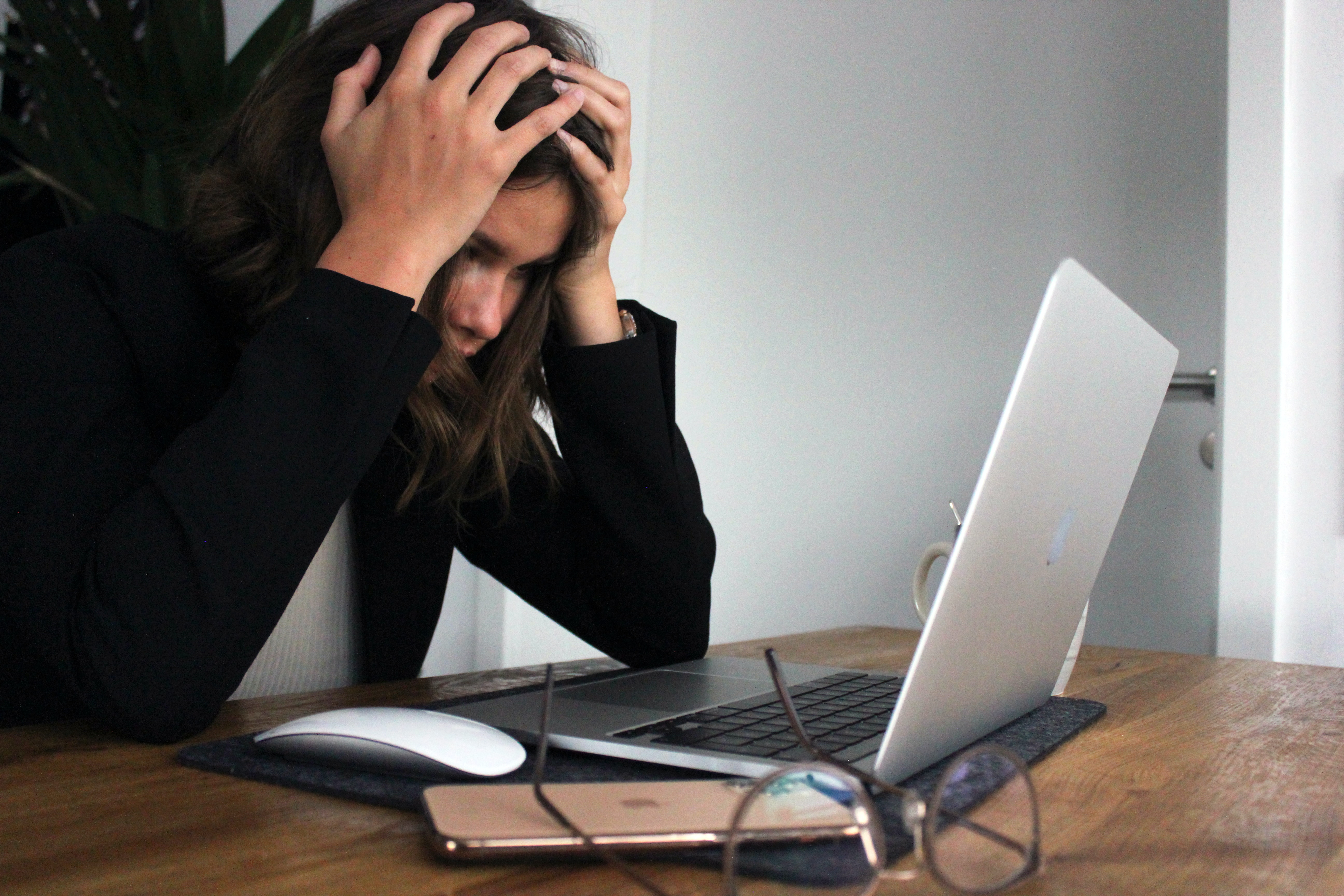
  • Loosing Control Can Make Anxiety Go Through The Roof

    Loosing Control Can Make Anxiety Go Through The Roof

    Loosing control of things that happen in your life is one of the worst ways to create anxiety.

    • Maybe there are a whole load of bills that have just come in, and you have no idea how you can possibly pay them all – you feel the anxiety growing.
    • Maybe there is a big reorganisation happening at work, and you don’t know where you will end up, or even if you’ll have a job at the end of the month – anxiety increases again.
    • Or maybe you need to see a doctor urgently and you cannot find a way through to get an appointment – and the anxiety goes through the roof.

    These are things that are out of your control. Bad stuff happens to us in our lives and sometimes we cannot control it – it just happens. When things get out of control, the primitive part of our brain starts to generate anxiety. Anxiety hits us in the gut over and over again because the problem just doesn’t sort itself out on its own.

    The problem gets worse because when anxiety strikes, it is very difficult to think straight. The anxiety floods your thinking process so it is extremely difficult to put any serious thought into starting to solve the problems that have just hit you.

    And when friends or family say, “Just calm down a bit.” It doesn’t help! Unless you have trained yourself to calm down, you cannot just calm down on command!

    So what do you do? …

    To operate properly, your brain needs to have some sense of control. You need to find something that you can control.

    You don’t have to solve the problem all at once – but just find one thing that you can get control of. It doesn’t even have to be something to do with the problems that are throwing themselves at you. It might be as simple as taking control of your breathing and slowing it down.

    Once your have control over something, the primitive part of your brain that generates all that anxiety will start to relax – even just a bit. So look for what you can do.

    You could do something related to your problems – like phoning the bank and telling them you are have difficulty paying the bills. You could also do something not related to your problems – like tidying up the socks in your sock draw. I know this sounds a bit silly – tidying socks will not sort out your financial problems – but it will help get your brain to calm down a little bit – because you are regaining control. And maybe that little bit of calm will allow you to start sorting out the real problem.

    So to get your anxiety to calm down, find something that you can control and do it – straight away.

    If you need help is getting your anxiety under control, remember that I help people who are only just coping with anxiety and stress. I use hypnotherapy to help people get back in control of their lives. I work in Fleet, Hampshire and can also help people online over Zoom. I would be happy to hear from you.


    Photo by Elisa Ventur on Unsplash

  • Is It Time To Do Something About Your Anxiety?

    Is It Time To Do Something About Your Anxiety?

    How much of the rest of your life will you put up with anxiety before choosing to do something about it?

    Anxiety is something that creeps up on you. Everyone experiences moments of anxiety throughout their lives, but if you are particularly stressed – the moments of anxiety increase. And then one moment of anxiety starts to run into another, and soon you feel the anxiety most of the time without there really being a reason for it.

    Some people I meet in my clinic have suffered from anxiety for years, but because it just crept up on them, it became their normal way of life and so they didn’t do anything about it. One client said to me, “I’ve had anxiety for the last ten years, and I think it’s about time to do something about it.” Later on he admitted, “Actually, I should have done something about this when it started ten years ago!”

    As I write this, it reminds me of a story …

    The Tale of the Dog on the Veranda

    There was once young man who went for a walk in the woods. He came across an old shack, and sitting on the veranda of the old shack was an old woman on a rickety old chair. And on the veranda floor, a beautiful dog lay at her feet. The old woman pointed to the chair beside her and invited the young man to sit and talk.

    As they chatted, the beautiful dog made a lot of uncomfortable grizzling and griping noises, so the young man asked the old woman, “Why is your dog grizzling and griping?” And the old woman replied, “Well, you see, this shack is rather old, and there’s a bit of an old nail that sticks up on the veranda, and he’s chosen to lie down right on the nail. It makes him uncomfortable, so he grizzles and gripes.”

    The young man asked, “Why doesn’t your dog just move?”

    “Well you see,” said the old woman, “it doesn’t hurt him enough yet.”

    Step One – Make a Decision

    The first step is to make the decision to do something about the anxiety. Many people suffer from excessive stress and anxiety because they have come to accept it as “the norm” and so it does not occur to them to look for a solution. It is easier to drift on, putting up with it, and trying to show a brave and smiling face – while boiling away with anxiety underneath.

    You are going to have to put some effort into it, and maybe some money – but, rest assured, you can do something about it. So make a decision one way or the other.

    Step Two – Consider Your Options

    There are three broad ways of tackling anxiety – none of which give instant results – you have to be patient.

    1. Self-help – There are lots of things you can do to get your anxiety under a bit more control, such as doing exercise, regulating your sleep, having more positive conversations with other people, paying attention to the good stuff that is happening around you (no matter how small), and so on. Searching the Internet will give you plenty of ideas.
    2. Medication – Go and see your GP and talk about your symptoms. The GP may well prescribe one or more medications that will help you.
    3. Therapy – Two of the most common forms of therapy are CBT (an analytical approach that analyses your anxiety and ways to reduce it) – and hypnotherapy (which deals with those subconscious thoughts and emotions outside your conscious control).

    As a hypnotherapist, I strongly favour hypnotherapy, as I have seen so many successful outcomes – but, of course, different approaches suit different types of people. And of course, there is nothing stopping you doing several of these things at once.

    Step Three – Start Doing Something

    It doesn’t matter where you choose to start – just start something. If it doesn’t suit you, you can always move on to something else. Just don’t procrastinate over doing something – whatever it is.

    And Finally …

    If one of your choices is hypnotherapy, contact me and I will be happy to talk it through with you and answer any questions you might have. I run my hypnotherapy clinic in Fleet, Hampshire as well as serving clients online.


    Photo by Nathan Dumlao on Unsplash

  • Unraveling Christmas Anxiety and Stress

    Unraveling Christmas Anxiety and Stress

    The first Christmas was undoubtedly a stressful time for Mary and Joseph – being forced to travel from Nazareth to Bethlehem for the census, at a time when Mary was heavily pregnant, and then finding that there was no accommodation available, just as Mary went into labour. This was probably a more stressful experience than many of us will ever know.

    For many people, Christmas is a happy time, but for some, however, Christmas simply increases their anxiety beyond its normal limits.

    Christmas Stressors

    Here are just some of the things that add stress during the Christmas period:

    • Buying, wrapping and posting gifts and cards – all within a strict timeframe
    • Managing the extra costs involved with celebrating Christmas
    • Attending the many social occasions (which is particularly stressful for the more introverted)
    • Balancing the expectations of different members of the wider family
    • Doing the gift-giving, cooking, washing up, cleaning up the mess etc etc on the day
    • Feeling obliged to mix with relatives who you don’t really get on with
    • Regrets over drinking and eating too much of the wrong things

    Of course, for some people there is an added loneliness of spending Christmas alone, or maybe it’s a time when they remember a loved one they have lost.

    Whether you love it or loathe it, Christmas undoubtedly adds to everyone’s stress levels. And some can cope with it better than others.

    The Christmas Impact on Anxiety

    For those that suffer from anxiety, Christmas is often particularly difficult. The additional stress that Christmas adds to our lives simply exacerbates the anxiety that is already there.

    Stress and anxiety go hand-in-hand. Everyone has stresses every day, some big and some small. It’s as if we have a bucket of stress inside us that is constantly being filled. When it gets too full, we respond with the symptoms of anxiety. So adding the extra stresses of Christmas exacerbates the situation.

    How to Survive Christmas Anxiety

    The first thing that I would recommend is to prioritise your own mental health. So maybe you forgot to buy the stuffing, perhaps Aunt Hilda is annoyed that you sent her the same gift as last year, and maybe your in-laws are upset because didn’t go round to see them on Boxing Day. Well that’s just tough – other people will just have to put up with it – your own mental health is more important than conforming to other people’s expectations.

    Plan as much as you can in advance, and make sure you plan in some downtime for you. Maybe plan in a couple of hours when you can just go for a walk on your own – and make sure you let everyone know that you need some “me-time”.

    Think about what you would really like to do at Christmas – not what other people expect you to do. What sort of Christmas would you really like if no-one else objected? Imagine it – what would you be doing, what would you eat, who would you see (if anyone)? Now negotiate with your family to see which bits of your ideal Christmas you can include in Christmas this year.

    And Finally …

    If you are struggling to cope with your anxiety, if you cannot keep it under control on your own, or if you simply want a bit of help … you can always book a few sessions with me. I run my hypnotherapy clinic in Fleet, Hampshire and specialise in helping people with anxiety to get their lives back in control again.

    References

    YouGov poll on Christmas and mental health
    https://yougov.co.uk/health/articles/26954-christmas-harms-mental-health-quarter-brits


    Photo by Debby Hudson on Unsplash

  • Physical Impact of Anxiety

    Physical Impact of Anxiety

    When we think of anxiety, we mostly think about the mental impact it has. However, many anxiety-sufferers also have physical symptoms. Sometimes, they are so used to the mental impact that they consider it to be normal, and are surprised that their physical symptoms are related to anxiety.

    Physical Problems

    Before I go any further, I need to emphasise that if you do have any of these physical symptoms, you should go and see your doctor. Although they are often caused by high levels of stress and anxiety, there may be an underlying physical problem – so make sure you get the physical side checked out by a doctor.

    Some of the physical problems that anxiety can create or exacerbate are:

    • Migraine and headaches
    • Muscle tension, leading to aching muscles and fatigue
    • Digestive problems, such as IBS (Irritable Bowel Syndrome), acid reflux or nausea
    • Sexual problems, such as loss of libido, erectile dysfunction or vaginismus
    • Skin problems, such as eczema
    • Tics or twitching of muscles
    • Increased heart rate or palpitations
    • Increased blood pressure
    • Sweating or hot flushes
    • Grinding teeth (particularly at night)
    • Mouth ulcers
    • Poor sleep patterns

    Why do we get Physical Problems from Anxiety

    These physical problems come about because anxiety is created in the primitive part of the brain known as the limbic system. This is the part that takes over in case of emergency. It contains the fight-or-flight centre of the brain – the amygdala.

    When you are under a lot of stress, the amygdala starts to behave as if there is something dangerous nearby. It is not an intelligent part of the brain. It is fairly stupid and associates high levels of stress with danger, so it starts to prepare your body to either defend yourself against attack or to run.

    The amygdala moves the body’s resources into preparing for fight or flight. This is fine if it only occurs over short periods of time on odd occasions. However, when you are under chronic stress, the amygdala keeps the body ready to run or fight, and it ignores the needs of the other parts of your body. So over a longer period of time, the rest of your body will suffer from complaints such as those listed above.

    And Finally …

    If you have any of the physical problems listed above, first make sure you see a doctor. The doctor should be able to advise you if there is a physical cause for the issue. If it has no physical cause, they may advise you to do something about your stress levels. They may offer you a course of CBT (Cognitive Behavioural Therapy) or medications to help you control your stress levels.

    If you want further help to control your stress and anxiety, I hold my clinic in Fleet, Hampshire, and would be very pleased to talk to you about it, and tell you what I can offer.


    Photo by Ben White on Unsplash

  • How Much Does Hypnotherapy-for-Anxiety Cost?

    How Much Does Hypnotherapy-for-Anxiety Cost?

    Two of the most frequently asked questions about hypnotherapy on Google are:

    • How much does a hypnotherapy session cost?
    • How many sessions will I need for anxiety?

    These are important questions, but probably not as important as, “How much will my life be changed once I get back in control of myself, and how much is that worth to me?” First, let me answer the questions directly.

    How much does a hypnotherapy session cost?

    I currently charge £75 for an hour’s session. This is typical in the South East of England. There are hypnotherapists that charge £150, and some that charge as low as £50. Some give a free or reduced rate initial session.

    Aside: Many hypnotherapists (including myself) charge a higher rate for a quit-smoking session (I charge £250 for a 2-hour session). Why? For quit-smoking hypnotherapy to work, you have to be really committed to the process to start with. When you have to pay a lot, you are committing yourself. And of course, when you quit smoking, you make all the money back again very quickly.

    How many sessions will I need for anxiety?

    It all depends! I know that this is not the answer you are looking for, but it is nevertheless true. Typically, I see clients with anxiety for between 5 and 10 sessions, and this is quite typical of other hypnotherapists.

    However, there are no guarantees. I have had some clients who I have seen for 15 or 20 sessions, and others for whom all anxiety issues have gone after 2 sessions. I have given up trying to guess how many sessions a client will take, because I often get it wrong. My advice would be to be wary of any hypnotherapist who gives a guarantee of the number of sessions you will need.

    To add to the problem in answering this question, hypnotherapists vary in their abilities – even with the same level of training and experience. Some will typically take longer than others.

    A more important question to ask

    Of course, it is important to have an estimate of how much your are going to have to pay for your hypnotherapy treatment for your anxiety. There is another really important question to ask yourself. That is:

    • How much will my life be changed once I get back in control of myself, and how much is that worth to me?

    This is a question that only you can answer. How much is getting rid of anxiety actually worth to you? Indeed, is it even possible to put a monetary value on it?

    What other questions should you ask?

    Other questions you should ask before engaging a hypnotherapist are:

    Are they qualified? Are they insured? Do they follow best practice?

    The easiest way to answer this is to check that they are registered with the official registers of hypnotherapists. In the UK, you should check the National Council for Hypnotherapy (NCH) or the Association for Solution Focused Hypnotherapists (AfSFH).

    What do other people think?

    Check out testimonials and references on independent sites such as Google My Business.

    Do I get on with my hypnotherapist?

    This is important – the more you like your hypnotherapist, the quicker things are likely to work. Trusting your hypnotherapist is important. And the only way you can find this out is by going to see them. Most hypnotherapists will be pleased to give your a free 10 minute chat on the phone, but the real test is the first session with them. You have to put your hand in your pocket and book in for an initial consultation – but don’t be afraid to walk away and find someone else if you don’t feel happy with the first session.

    References

    National Council for Hypnotherapy (NCH)
    https://www.hypnotherapists.org.uk/therapist-finder/

    Association for Solution Focused Hypnotherapists (AfSFH)
    https://www.afsfh.com/hypnotherapists-postcodes/

    Google My Business
    Go to Google and enter “Google My Business” followed by the name of the hypnotherapy clinic. For example, “Google my business Tim Maude Hypnotherapy”


    Photo by Colin Watts on Unsplash