Category: #sleep

  • Maintenance of Our Minds for Keeping Anxiety at Bay

    Maintenance of Our Minds for Keeping Anxiety at Bay

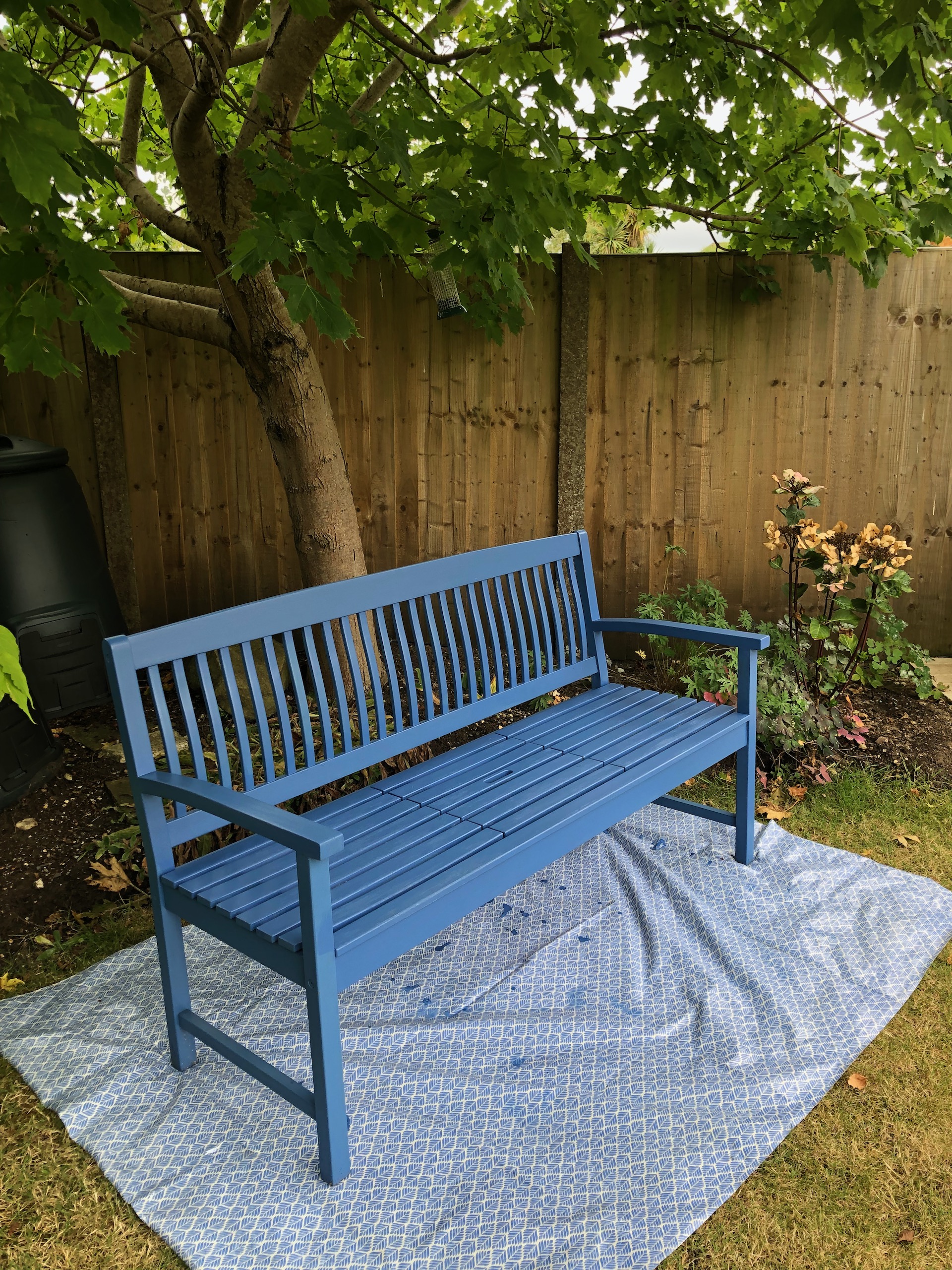
    Yesterday, I painted the bench we have in the garden. We have had the bench for many years, and every couple of years I sand it down and repaint the parts that have got a bit worn. While I was painting, it occurred to me that repainting the bench is a metaphor for looking after our own minds – the bench becomes worn after a while and needs repair, just as our minds develop too much stress and need repair.

    The bench needs attention every couple of years, but our minds need a bit of maintenance more regularly than that. And sleep is a major part of the maintenance regime.

    When we sleep, we go through different stages:

    • NREM Sleep – where our body performs routine maintenance
    • REM Sleep – where our brain performs routine maintenance

    Of course, this is a gross simplification – we don’t know the half of what sleep does for us, but what we do know fall roughly into those two categories.

    During REM sleep our eyes move rapidly around – REM stands for Rapid Eye Movement – and it is in this phase that the brain consolidates our memories. If moves memories around, deleting some of them, or maybe just taking a bit of the emotion out of them. It is a time when the stresses that we have built up can be resolved.

    A build up of unresolved stress can lead to anxiety developing, so sleep is a very important part of our mind’s maintenance programme. However, if there is too much stress in the first place, we don’t get enough time when we sleep to process it all, so it builds up. And a build-up of unresolved stress can lead to anxiety.

    Unfortunately, anxiety can wake us up – this is our subconscious reminding us that we need to do something to sort it all our, so we wake up worrying or ruminating about things. This disrupts our maintenance and so we just add to the stress even more.

    So if you find yourself waking up in the middle of the night ruminating, get up and write down your thoughts. Simply writing your thoughts down seems to have the effect of allowing you to go back to sleep again. Try it – you never know how well it will work for you until you have a go.

    And Finally …

    If you have a problem with sleep or with anxiety in general, you should do something about it. If you need help, you are welcome to Contact Me. I help people with anxiety using hypnotherapy to allow them to get back to normal again.

  • Sleep and Anxiety

    Sleep and Anxiety

    Getting a good night’s sleep is very important if you suffer from anxiety. The problem is that people who suffer from anxiety can suffer with sleep problems – not being able to get to sleep, not being able to get back to sleep once you have woken up, and waking up too early can all lead to sleep deficit. The brain and body need more sleep, but they are not getting it.

    Anyone who has had a baby or toddler who wakes up in the night demanding attention – they know the problem of sleep deprivation. Lack of sleep makes you more likely to snap at little irritations, makes you more stressed, and it becomes easier to drift into that malaise of not bothering with the normal patterns of life. All these negative emotions come from the primitive part of the brain that needs sleep to keep it under control.

    Sometimes, circumstances stop you getting enough sleep – your partner snores, you work unusual shift patterns, you have a child who needs you in the night, or you are in physical pain. These are things you cannot help and you have to choose – either live with it or find ways of working round the problem.

    As well as giving the brain a chance to sort out the emotional memories, sleep also helps the physical body restore itself. Sleeping well helps an individual maintain their physical health, and long-standing poor sleep is associated with a wide range of health problems.

    Why is sleep so important when you have anxiety?

    Lack of sleep can make anxiety worse. When you are asleep, the brain processes the emotional experiences you have had during the day – in particular, it processes the stressful memories. The bad things that have happened will either be forgotten or processed, so that the emotion associated with those memories is removed or dulled down.

    Most people will have experienced a time when they got angry about something or other, and then they wake up in the morning wondering why they ever got cross about it. During the night, your brain processes those stressful experiences leaving you with less stress on your plate the following day. You wake up wondering why you got so upset by it all.

    So if you don’t get enough sleep, and you have a lot of unresolved stresses, your brain does not get a chance to process them all at night. The next day you wake up still carrying the stresses from the previous day. For people that have highly stressful experiences, such as a serious accident, a close friend or relative passing away, or the sudden loss of their job … for these people, the stress can take days, weeks or months to be processed. PTSD sufferers may have years of putting up with unresolved stress. People who are sleep-deprived don’t deal with the stresses of everyday life well – as they haven’t had a chance to deal with the stress that they have already experienced.

    Sleep is important for everyone, but it is particularly important if you have anxiety – because it puts you in that vicious cycle of lack of sleep increasing the anxiety, which in turns disrupts your sleep. If you do suffer from anxiety – look at your sleep patterns and see what you can do to make sure you get as much sleep as you need.


    Photo of baby awake in bed by Michal Bar Haim on Unsplash

  • Sleep and Anxiety – the Ongoing Conflict

    Sleep and Anxiety – the Ongoing Conflict

    Increasing anxiety can mean you sleep badly – sleeping badly can increase anxiety. On the other hand lowering your anxiety can improve your sleep – and improving your sleep can help reduce anxiety.

    Many people who have anxiety and stress issues will recognise the experience of waking up in the night and then finding it difficult to get back to sleep – with all those anxious feeling and worries going through their head. And this compounds the real problem, because regular nights of good sleep helps sort out anxiety.

    Sleep Phases

    When we sleep, we go through phases – some of the time we have deep sleep and at other times we are sleeping very lightly. These are important in order to keep your body and mind healthy. One of the stages of sleep is known as REM (rapid eye movement) – the stage when we dream. REM sleep accounts for around a fifth of our sleep patterns, although most people rarely remember much of it.

    During REM sleep, our brain consolidates our memories. It looks at things that have happened recently and processes them, getting rid of unwanted stuff and reconfiguring the rest. You may have heard the expression, “Sleep on it.” If there is something that is worrying you – put it aside and look at it again in the morning and you will view it differently. Why? Because during the night, while you are in your REM sleep, you process that bit of memory and so a lot of the emotion is taken out of it.

    How Sleep Helps with Anxiety

    So a good nights sleep will give you around an hour and a half of REM sleep in which to process all your worries and regrets so that they don’t look so bad the next day. This means that the fight-flight-or-freeze centre of the brain is less likely to be triggered and less likely to generate as much anxiety.

    And I know that it’s all very well telling someone with anxiety, “just get enough sleep,” but that doesn’t help when you wake up in the middle of the night worrying and cannot get back to sleep again.

    Sleep Tips

    There is no one answer that can guarantee a good night’s sleep. What works for one person may not work for another. So the trick is to have a go at different things – just see what works for you. Remember – if what you are doing at the moment doesn’t work, then try something else.

    Let’s start with some “don’t”s

    • Don’t try to go short on sleep and catch up on the weekend
    • Don’t drink alcohol just I order to help you get a good night’s sleep
    • Don’t drink caffeinated drinks before bedtime

    And some “do”s

    • Do have a wind-down routine before bedtime
    • Consciously relax every part of your body as you lie in bed
    • If you have anything that’s worrying you – write it down so that your brain doesn’t have to keep reminding you to deal with it

    Sleep is so important to our lives, and these few tips do not do do it justice. I will come back to fully exploring sleep tips another time.


    If you have problems coping with your anxiety and stress on your own and are looking for some help, then you may wish to consider hypnotherapy. I work out of my clinic in Fleet, Hampshire helping people get their lives under control and reducing the symptoms of stress and anxiety.


    Photo by Kate Stone Matheson on Unsplash